Mardi Himal Base Camp Trek: 5-Day Trekking Experience
Discover the Mardi Himal Base Camp trek through forests, Badal Danda and High Camp, with first-hand tips, mountain views and a 4,500m adventure.
Mardi Himal Base Camp Trek: Five Days of Himalayan Beauty, Forest Trails and a Memorable Sunrise
An October 2026 first-hand trekking experience by Alpine Exodus
There are treks you complete, and there are treks that stay with you. Mardi Himal Base Camp belongs to the second category. From the peaceful forest trails North of Pokhara to the spectacular mountain views from High Camp and the high-altitude landscape at 4,500 meters, our five-day journey offered a little of everything: sunshine, rain, muddy trails, good food, imperfect accommodation and some truly unforgettable Himalayan scenery.
On 4 October 2026, we left Pokhara on a beautiful, sunny morning and began our Mardi Himal Base Camp trek. We returned to Pokhara on 8 October, having experienced the route at different elevations, walked through beautiful forests, watched sheep waiting for daylight on the mountainside and stood beneath the impressive Annapurna Range.
This is not simply another trekking itinerary. It is a record of what we experienced on the trail, including the practical details and honest observations that future trekkers may find useful.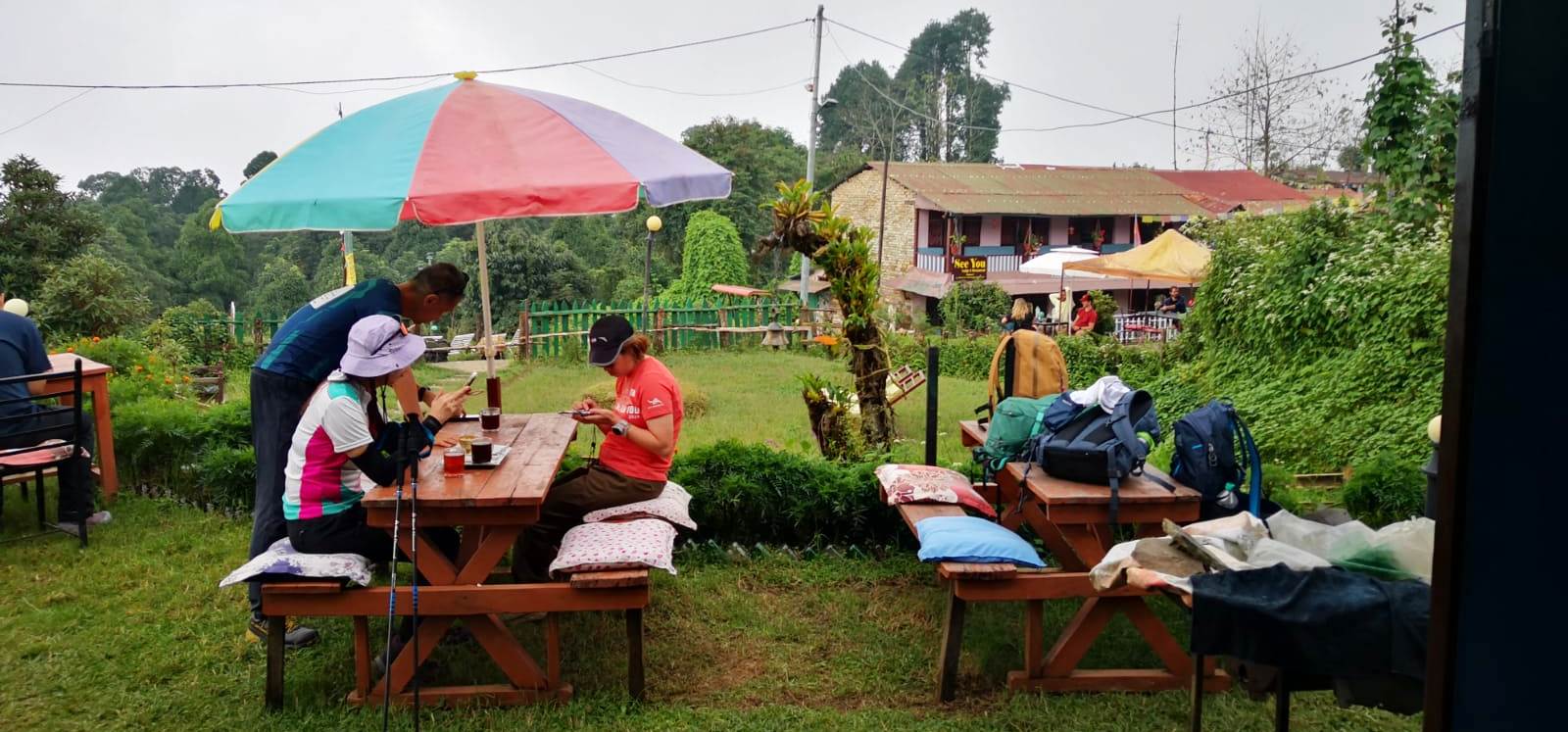
Mardi Himal Base Camp Trek at a Glance
The following figures are approximate planning references. Distances vary with the precise trail, lodge location and route taken.
Trekking detail | Information |
|---|---|
Trekking region | Annapurna, Nepal |
Trek duration | 5 days 4 nights |
Start and finish | Kande to Siding, with road transfers from and to Pokhara |
Highest point | Mardi Himal Base Camp, approximately 4500m/14764ft |
Highest overnight stop | High Camp, approximately 3580m/11745ft. |
Starting point | Kande, approximately 1770m/5807ft |
Main overnight stops | Pitam Deurali, Lo Camp, High Camp and Low Camp |
Trekking difficulty | Moderate to challenging (also weather impacted!) |
Accommodation | Mountain lodges and teahouses |
Best-known highlights | Unfolded-Snow summit sceneries, rhododendron forests, Badal Danda, High Camp, Sunrise viewpoints and Mardi Himal Base Camp. |
Conservation area | Annapurna Conservation Area (ACAP) |
Trekking season | Generally spring and autumn |
The Mardi Himal route is often chosen by trekkers who want to experience a high Himalayan landscape within a relatively short time. The trail climbs from the green hills above Pokhara through dense forests and then onto an exposed ridge with spectacular views of Machhapuchhre, Annapurna South, Hiunchuli and neighboring snowy peaks. Mardi Himal Base Camp is commonly listed at approximately 4500m/17764ft, while the Upper Viewpoint is around 4200m/13779ft. These are separate locations and reaching Base Camp requires continuing beyond the viewpoint.
Day 01 —04 October 2026: Pokhara to Kande, Australian Camp, Pothana and Pitam Deurali
Walking time: approximately 4–5 hours, including stops | Overnight: Pitam Deurali
A beautiful morning to begin
Our adventure began in Pokhara, where we enjoyed a beautiful sunny morning before driving to Kande, the starting point of our trek. Kande lies at approximately 1,770 m above sea level and is reached by road from Pokhara.
After leaving our vehicle, we put on our trekking boots, adjusted our backpacks and began walking uphill. The trail soon took us through the green hills towards Australian Camp, one of the well-known viewpoints in this part of the Annapurna region.
Australian Camp is a lovely place to pause and appreciate the surrounding landscape. On a clear day, the views of the Annapurna range and Machhapuchhre make it an excellent introduction to the mountains we would see more closely over the coming days.
We continued to Pothana, where we stopped for lunch. The village is a familiar stop for trekkers following this route, and it offers a pleasant place to rest before continuing to Deaurali or Pitam Deurali.
Soon after leaving Pothana, we reached the Annapurna Conservation Area checkpoint, where the relevant trekking permits are checked. Beyond the checkpoint, the trail continued through a peaceful landscape towards our first overnight destination.
First night at Pitam Deurali
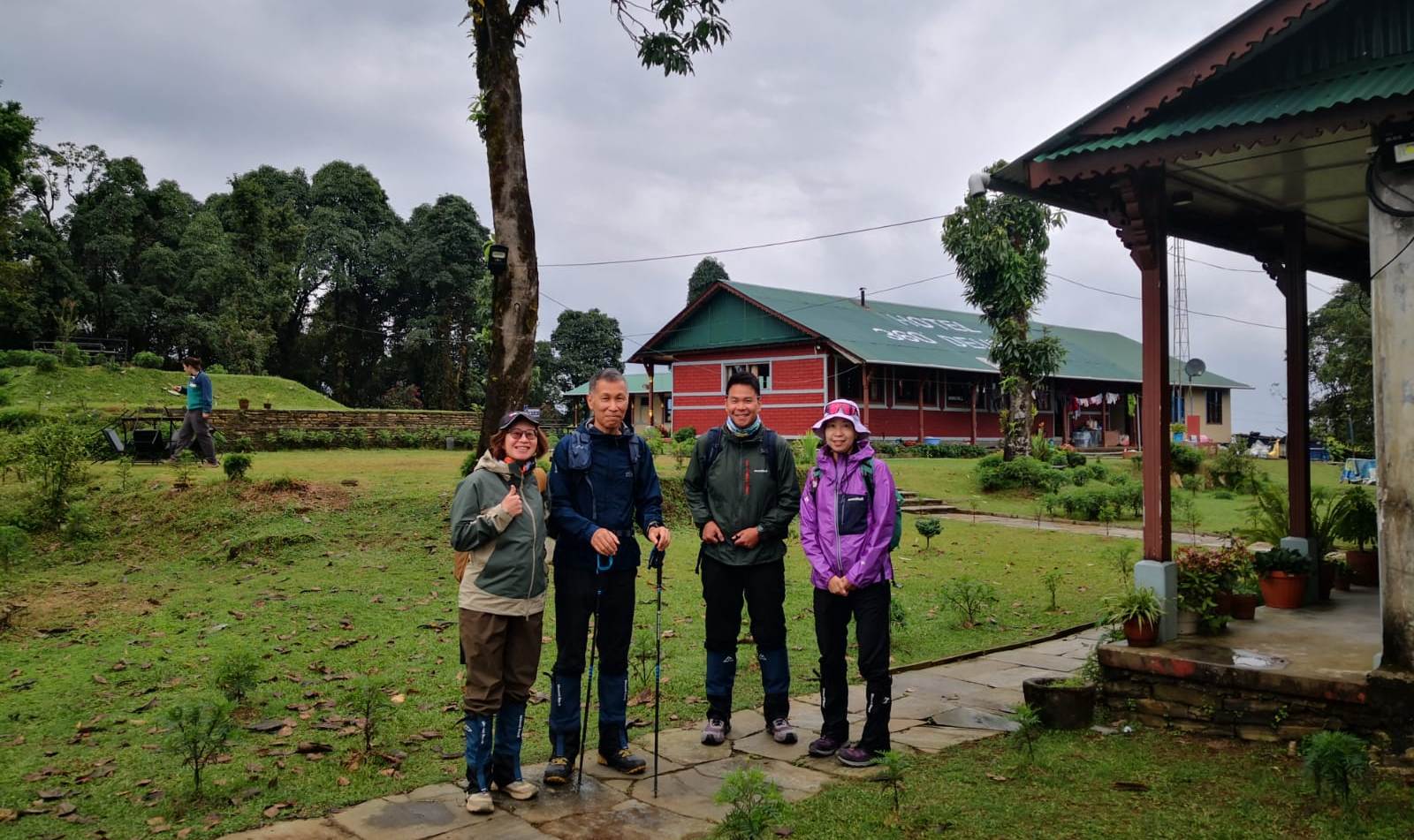
We reached Pitam Deurali and checked in at Hotel 360.
Pitam Deurali, at roughly 2,100 m, is an important junction on the Mardi Himal route. It is also a wonderful place to settle in after the first day of walking.
Hotel 360 is situated in a peaceful location, with good rooms and beautiful scenery. From here, we could appreciate Annapurna South, Hiunchuli, Machhapuchhre (Fishtail) and the surrounding mountain landscape.
After a pleasant day of walking, a comfortable room and mountain views were exactly what we needed.
The first day had taken us from the road-accessible hills above Pokhara into the quieter trekking environment of the Annapurna Conservation Area. We were now ready for the longer forest walk ahead.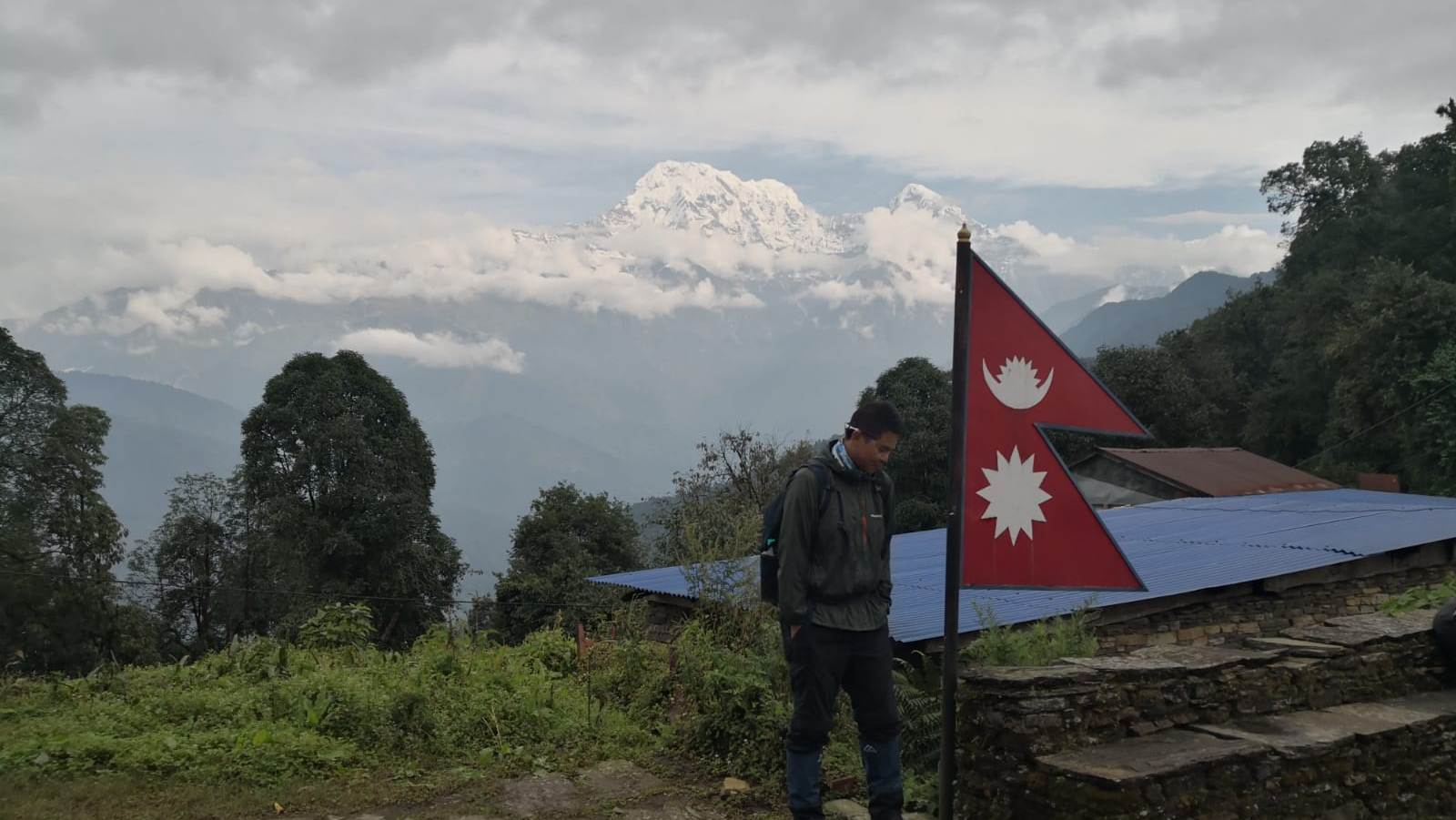
Day 02 — 05 October: Pitam Deurali to Lo Camp through the forest
A forest walk with beautiful surprises
Our second day was largely a journey through the forest. Much of the trail was shaded by trees, making the walk pleasant, although the gradual and sometimes steep ascent required steady effort.
One of the lovely features of the Mardi Himal trek is that the forest does not keep the mountains hidden all day. At various points, the trees open up to reveal beautiful views of the surrounding hills and peaks.
Places such as Lovely Hill and Dudh Kharka offer welcome changes in scenery. These openings in the forest make the journey interesting, giving trekkers reasons to stop, look around and take photographs rather than concentrating only on reaching the next lodge.
We continued towards Forest Camp, also known as Kokar, where we stopped for lunch. Forest Camp is generally situated at around 2600 m and is surrounded by thick woodland.
After lunch, we resumed walking. About 30 minutes later, it began to rain.
Waiting at Rest Camp
When we reached Rest Camp, we stopped briefly, hoping the rain would pass. Unfortunately, it continued, and we eventually decided to carry on rather than lose more time.
We put on our rainwear and continued along the forest trail. In less than another hour, we reached Lo Camp, where we would spend the night.
The rain had changed the atmosphere of the forest. The trail was damp, the trees looked darker, and the walk became more about keeping our footing and reaching shelter than enjoying long stops along the way.
An honest note about our accommodation
We stayed at Hotel Lali Gurans at Lo Camp.
The accommodation was average during our visit. The dining hall was often messy, and cleanliness in both the common area and the rooms could have been better.
Accommodation standards in the mountains vary considerably from lodge to lodge. During the busy autumn trekking season, facilities can be under pressure, but cleanliness remains important to a comfortable stay.
For trekkers planning this route, it is worth keeping expectations realistic. The Mardi Himal trek offers magnificent natural scenery, but not every lodge provides the same standard of rooms, dining facilities or maintenance.
After a rainy afternoon, we settled in for the night and prepared for the next day's climb towards High Camp.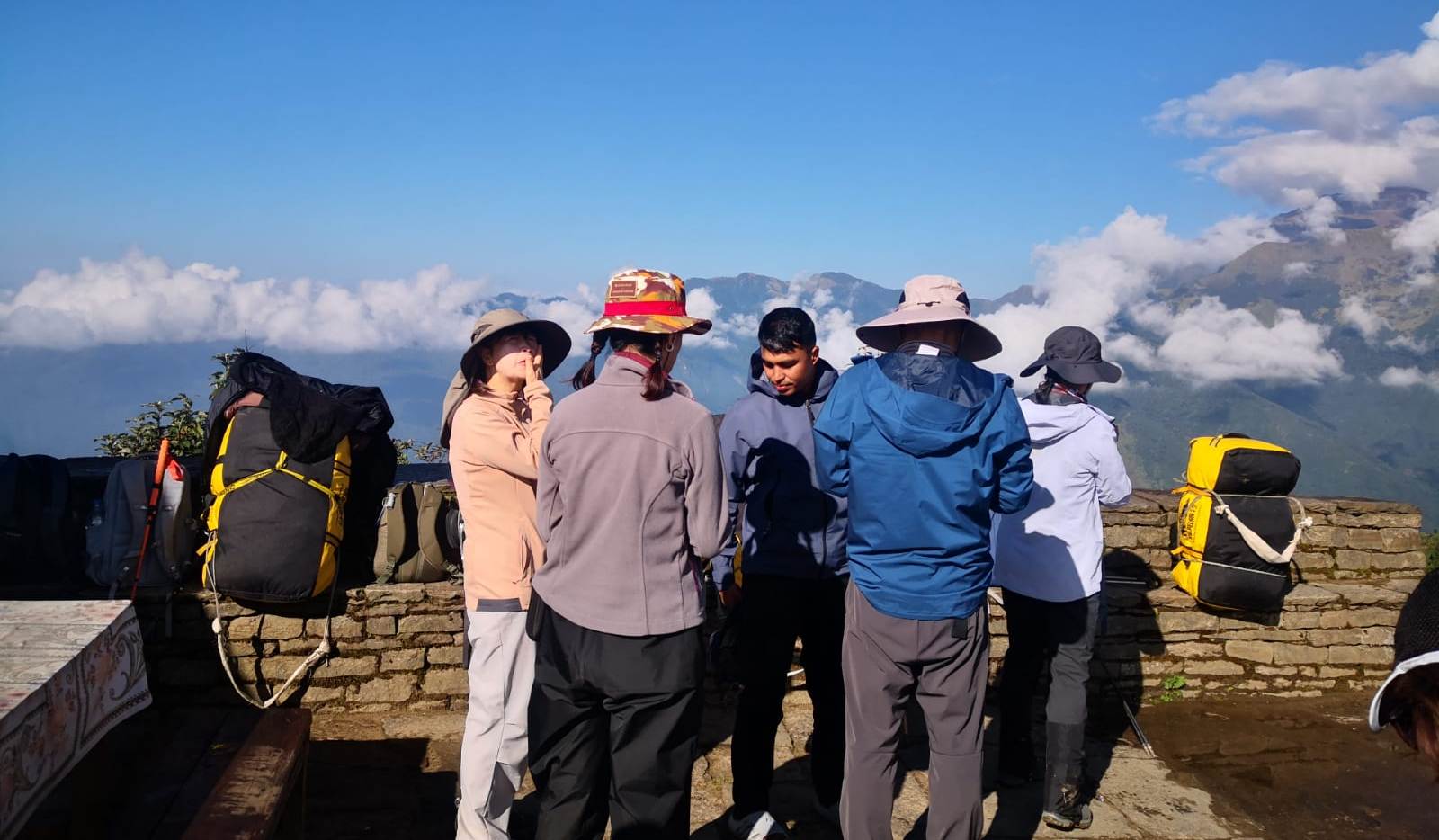
Day 03 — 06 October: Lo Camp to High Camp via Badal Danda
Leaving the forest and entering the high mountain landscape
The third morning brought one of the most noticeable changes of scenery on the trek.
For approximately one hour and 15 minutes, the trail continued through pleasant forest, including rhododendron trees. The surroundings were still green and wooded, and the walk was a gradual transition from the lower forested hills to the more exposed mountain ridge.
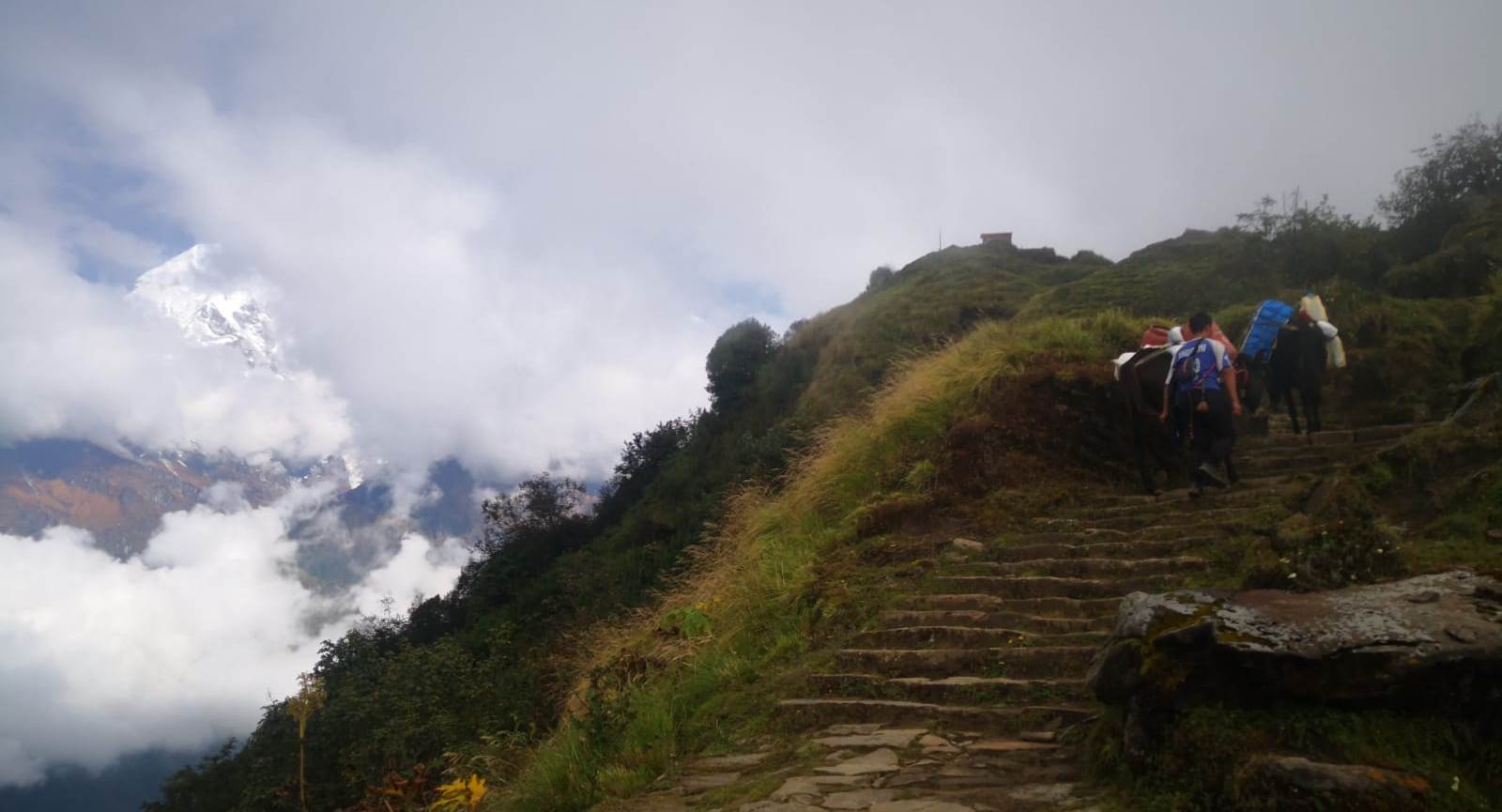
Then we reached the first lodge at Badal Danda, and the views opened up almost at once.
The change was remarkable. The forest gave way to a broad mountain panorama, and the peaks we had been catching occasional glimpses of now stood prominently across the skyline.
From left to right, as we viewed the range, we could identify Annapurna South, Hiunchuli, Gangapurna, Annapurna III, Mardi Himal, Machhapuchhre and Annapurna II among the prominent peaks.
Patches of white cloud covered parts of the snowy summits and the mountain skyline. However, the sky above us was a beautiful blue, and the morning sunshine made the landscape especially attractive.
Badal Danda is one of the memorable places on this trek. The mountain views arrive suddenly after the forest walk, making it an excellent place to pause, take photographs and appreciate how much the scenery has changed since leaving Kande.
A leisurely walk to High Camp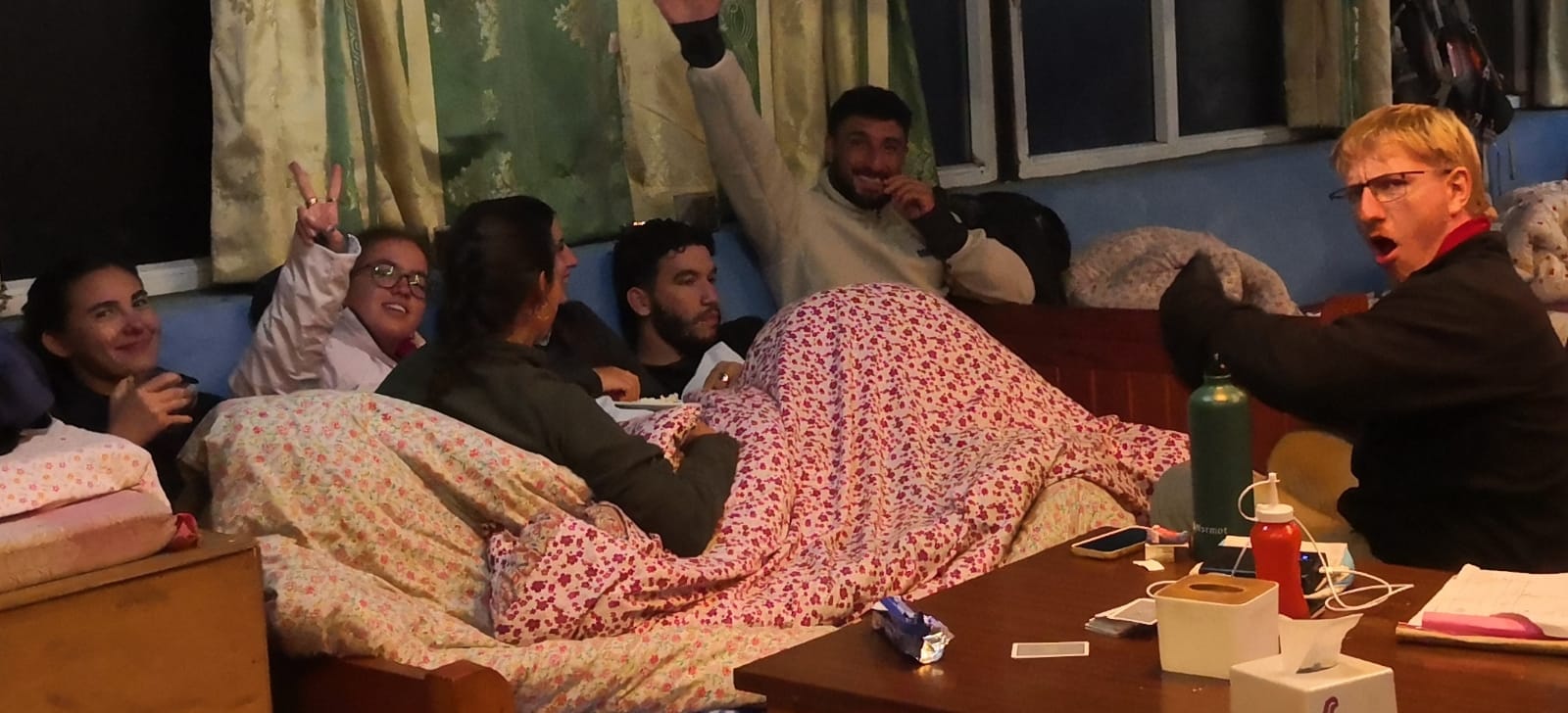
We continued towards High Camp, taking our time to enjoy the views. In a little less than another two hours, we reached our destination.
High Camp, at approximately 3,550–3,580 m, is the principal overnight stop before the early-morning hike towards the upper viewpoint and Mardi Himal Base Camp.
We checked in at Hotel Mardi Peak and Restaurant.
It was a busy place, and during our visit the common areas felt somewhat messy, probably reflecting the pressure of the autumn trekking season. The owner had a cheerful personality and long hair, and the kitchen was impressively quick in responding to orders.
One item that particularly pleased us was the Korean noodles. They were very good!
After settling into our rooms, we had lunch and took some time to relax. We knew that the following morning would require an early start, so getting enough rest was important.
An afternoon walk interrupted by rain
Later, we went out for a short walk, hoping to explore some higher ground around High Camp.
We had walked for approximately 15 minutes when it started raining. The rain came and went, so we entered another hotel for tea and waited to see whether the weather would improve.
Eventually, it stopped, and we resumed our walk. We managed to gain at least another 20 m in elevation before returning to the lodge.
Although this was not a long walk, it was a useful reminder that weather in the high mountains can change quickly, even on an otherwise beautiful day.
We returned to the hotel, had dinner and went to bed early. Our alarm was set for the next big day: a pre-dawn walk to the viewpoint, followed by the journey to Mardi Himal Base Camp at approximately 4500 m.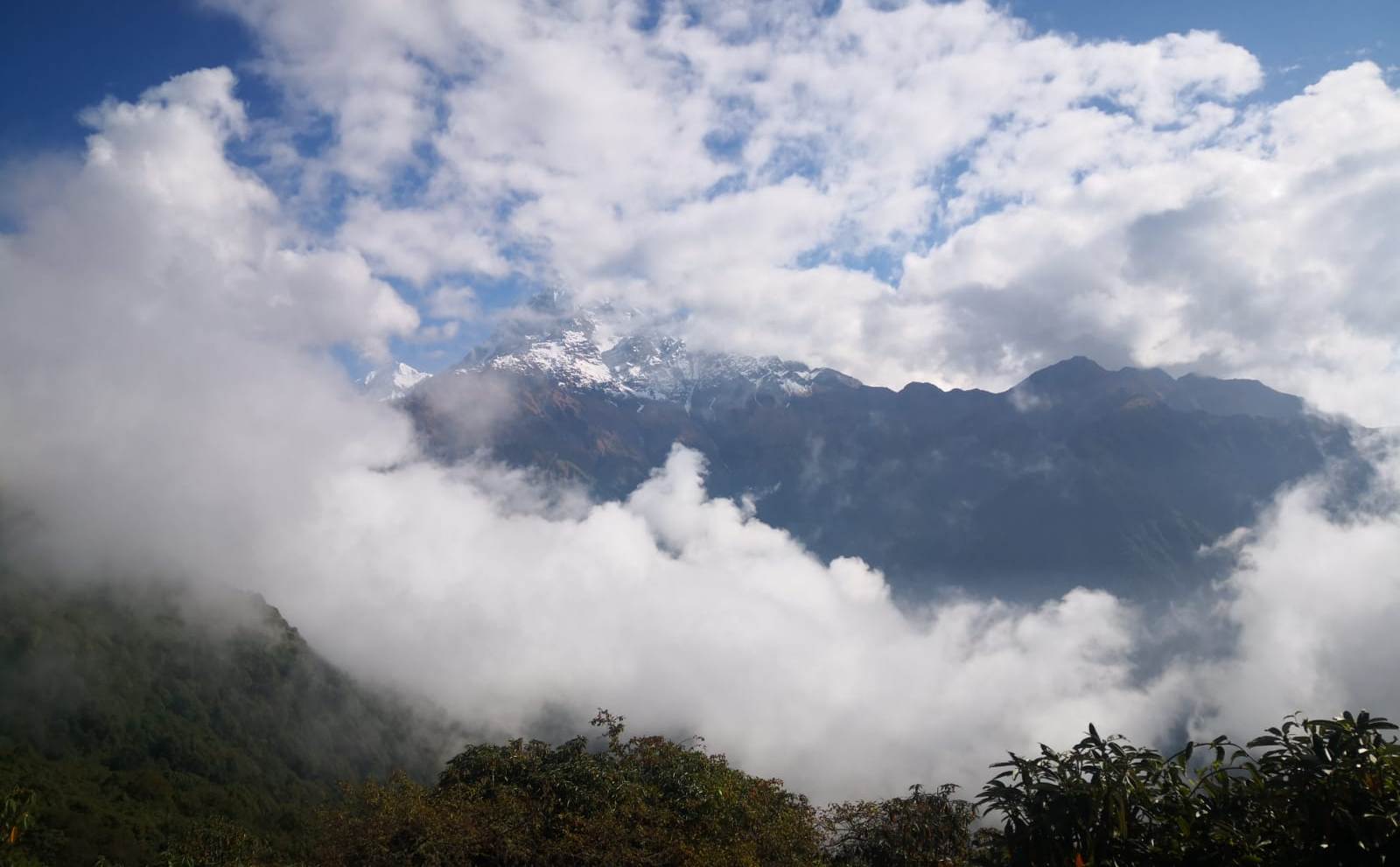
Day 04 — 07 October: Sunrise viewpoint, Mardi Himal Base Camp and the descent to Low Camp
A 4:00 a.m. start under the stars
This was the day we had been waiting for.
We woke at around 3:45 a.m., got ready and left the hotel at exactly 4:00 a.m. We carried headlamps, trekking poles, light backpacks, drinking water, some Tibetan bread and boiled eggs.
The trail was dark, and the headlamps helped us find our way along the uneven ground. We saw some guides escorting their clients using the flashlights on their mobile phones. A proper headlamp is a much more practical choice for this kind of early-morning walk because it keeps both hands free.
We also heard some Indian trekkers complaining quite early, by the first water-break point. Walking uphill in the dark at high altitude is not everyone's idea of a pleasant morning, particularly when sleep has been short!
But the mountains were waiting, and we continued.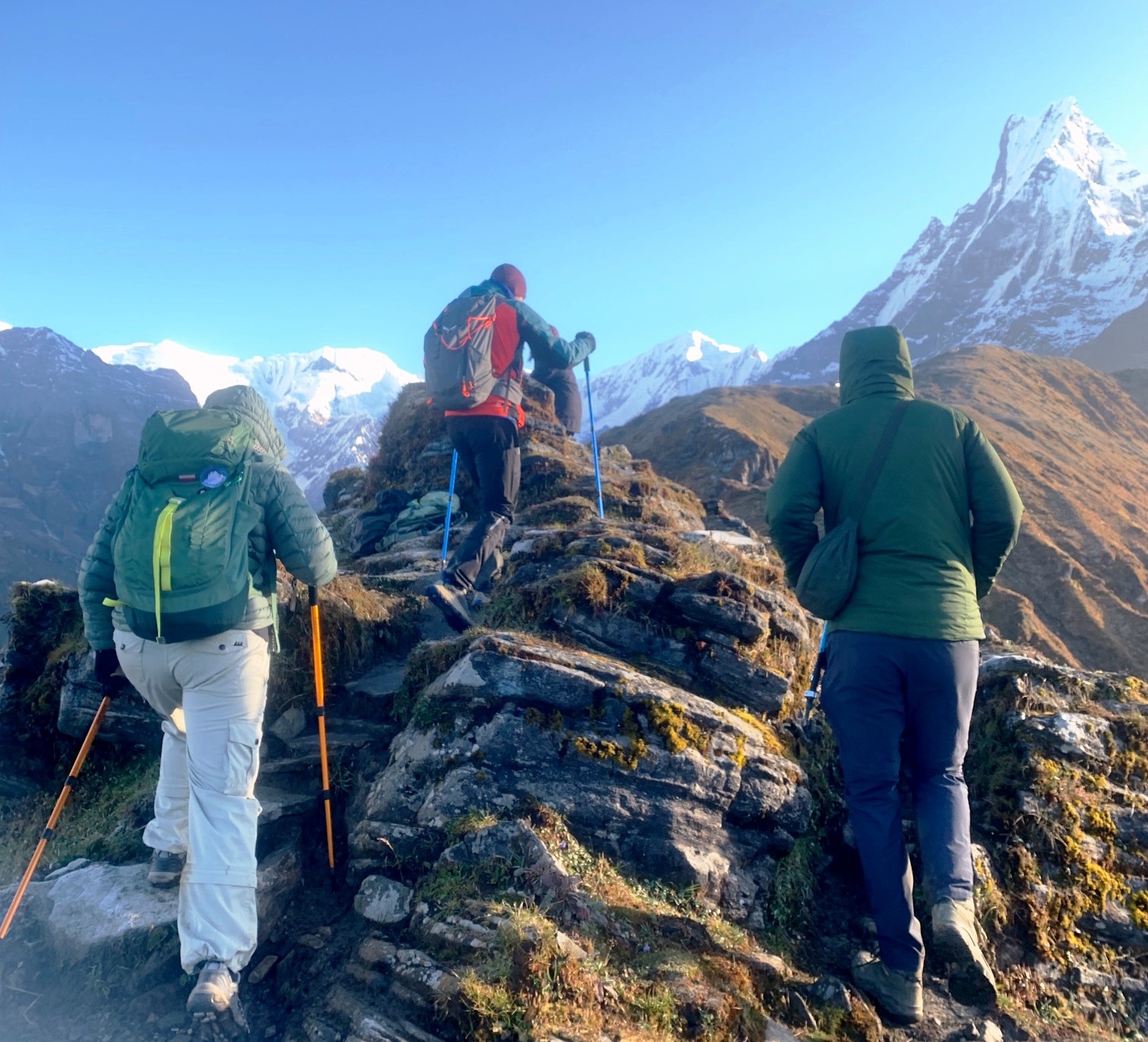
A memorable encounter at Sheep Kharka
Along the way, we passed Sheep Kharka, where hundreds of sheep were waiting for daylight before heading out to graze.
As we walked through the middle of the flock, the sheep were bleating loudly. I began imitating their bleats as we moved past them.
It was a small, amusing moment in the middle of a demanding mountain morning. Trekking is not always about dramatic landscapes and summit photographs; sometimes, the memories that make us smile later come from the unexpected encounters along the trail.
Sunrise — beautiful mountains, but clouds in the wrong place
When we were about 100 m below the viewpoint, the sun began to rise.
We were still in a good position to catch the sunrise scenery, but unfortunately a patch of cloud sat directly in front of the sun from our viewpoint. We did not get the completely unobstructed sunrise we had hoped for.
Fortunately, the opposite direction told a different story.
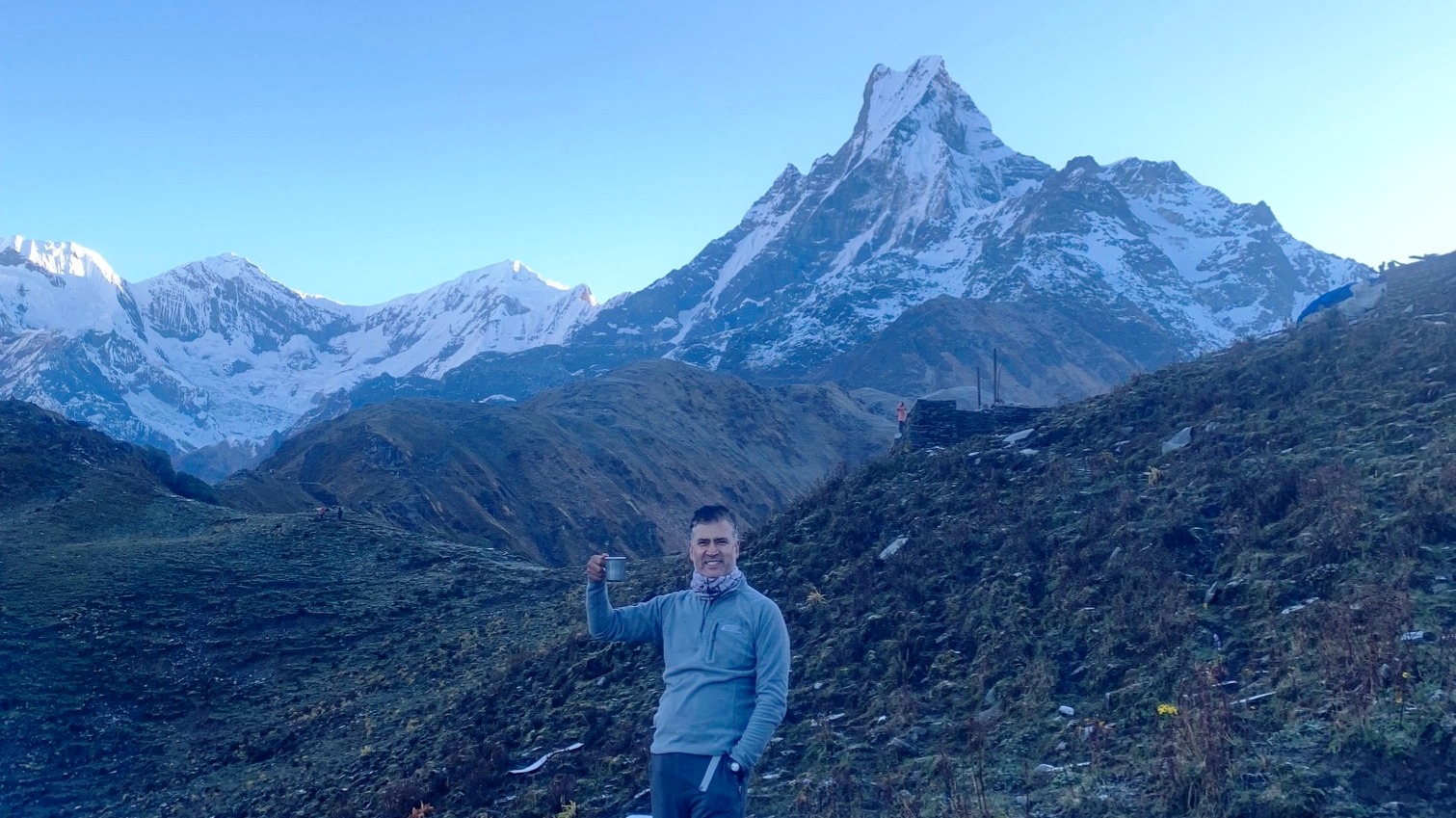
The Annapurna range stood beautifully clear, and the mountain views were extraordinary. We took plenty of photographs and enjoyed the scenery while the early morning light illuminated the peaks.
This is one of the realities of trekking in the Himalayas: you can plan your departure time perfectly, but you cannot arrange the clouds. The best approach is to enjoy whatever the mountains offer that day.
Breakfast at the viewpoint: a practical lesson
There was a small hut nearby where we could get a cup of hot tea. We enjoyed the warmth and took a short break.
We had carried Tibetan bread as part of our packed breakfast, along with boiled eggs. However, the bread did not particularly appeal to us that morning. We ate the boiled eggs because we needed energy, and we also had drinking water and coconut biscuits.
The coconut biscuits from NeBiCo went especially well with the hot tea.
Our practical tip: If you are arranging a packed breakfast for the early-morning walk, consider carrying boiled eggs and coconut biscuits instead of taking the Tibetan bread. Choose food you enjoy and can eat easily in cold conditions. The most important things are enough energy, drinking water and something you will actually want to eat.
Continuing to Mardi Himal Base Camp at 4500m
After the viewpoint, we continued towards Mardi Himal Base Camp.
The trail climbed higher into the mountain landscape, with increasingly impressive views of the surrounding area. The environment was quite different from the forest we had walked through just two days earlier. Here, the landscape felt more open, rugged and distinctly alpine.
Reaching approximately 4500m was a significant moment in the trek. The views around Mardi Himal Base Camp made the effort worthwhile and we enjoyed the achievement of reaching this high point on foot.
However, almost as soon as we arrived, clouds began to gather.
We decided not to linger unnecessarily. After approximately 10–12 minutes at Base Camp, we began our return journey.
Conditions at this altitude can change quickly. A clear morning does not guarantee a clear afternoon and the right decision is not always to stay longer for a few more photographs.
Back to High Camp, then down to Low Camp
We returned to High Camp and had brunch. We were preparing to descend towards Low Camp then it started raining again.
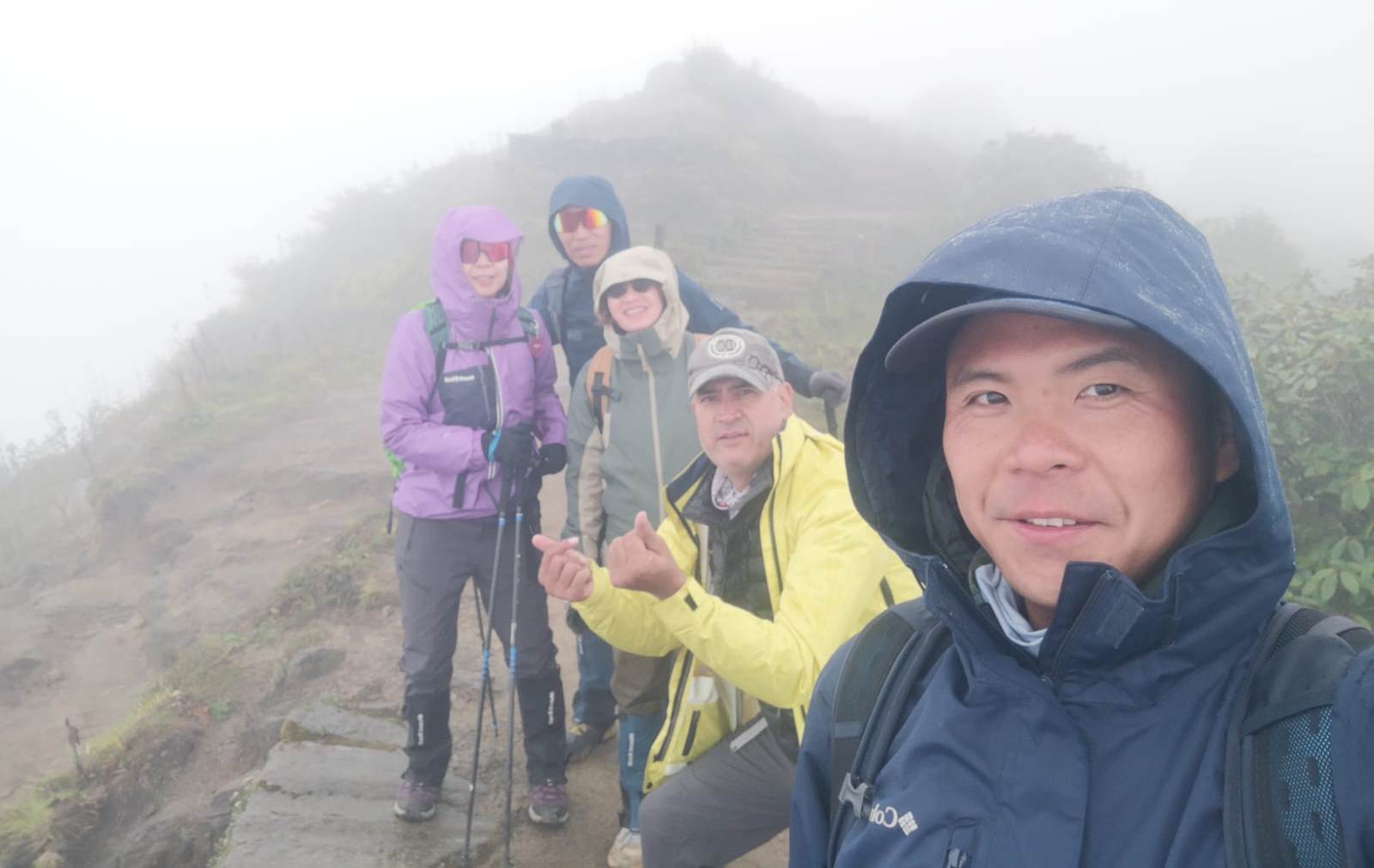
The rain was not especially heavy at first and we still had a long way to go. We put on our rainwear and started down.
The trail became muddy and slippery, so we walked carefully, paying attention to each step. Descending can be just as demanding as climbing, especially after an early start and several hours of walking at altitude.
By the time we reached the final part of Badal Danda, the rain had become very heavy.
We stopped at a small tea shop and ordered milk tea, coffee and other refreshments. We spent nearly 45 minutes there, hoping the rain would ease. Unfortunately, it remained heavy, perhaps an eight out of ten in intensity.
We had not planned to stop overnight at Badal Danda and our porters had already reached Low Camp. They were clearly pleased to be heading downhill after the high-altitude section and had made good progress on the return.
Eventually, we decided to continue. With rainwear on and careful footing, we resumed the descent.
After another hour and a half or so, we reached our hotel at Low Camp. Our rooms were ready and we could finally change out of our wet clothes.
Dinner and a good night's sleep were all we needed.
A lesson from this day: The trek to Mardi Himal Base Camp is not simply a short sunrise excursion. It is a demanding high-altitude day followed by a substantial descent. Carry suitable rainwear, warm layers, water, snacks and a reliable headlamp. Start early, but be prepared to adjust your plans if the weather or your physical condition requires it.
Day 05 — 08 October: Low Camp to Siding and back to Pokhara
A pleasant descent through the hills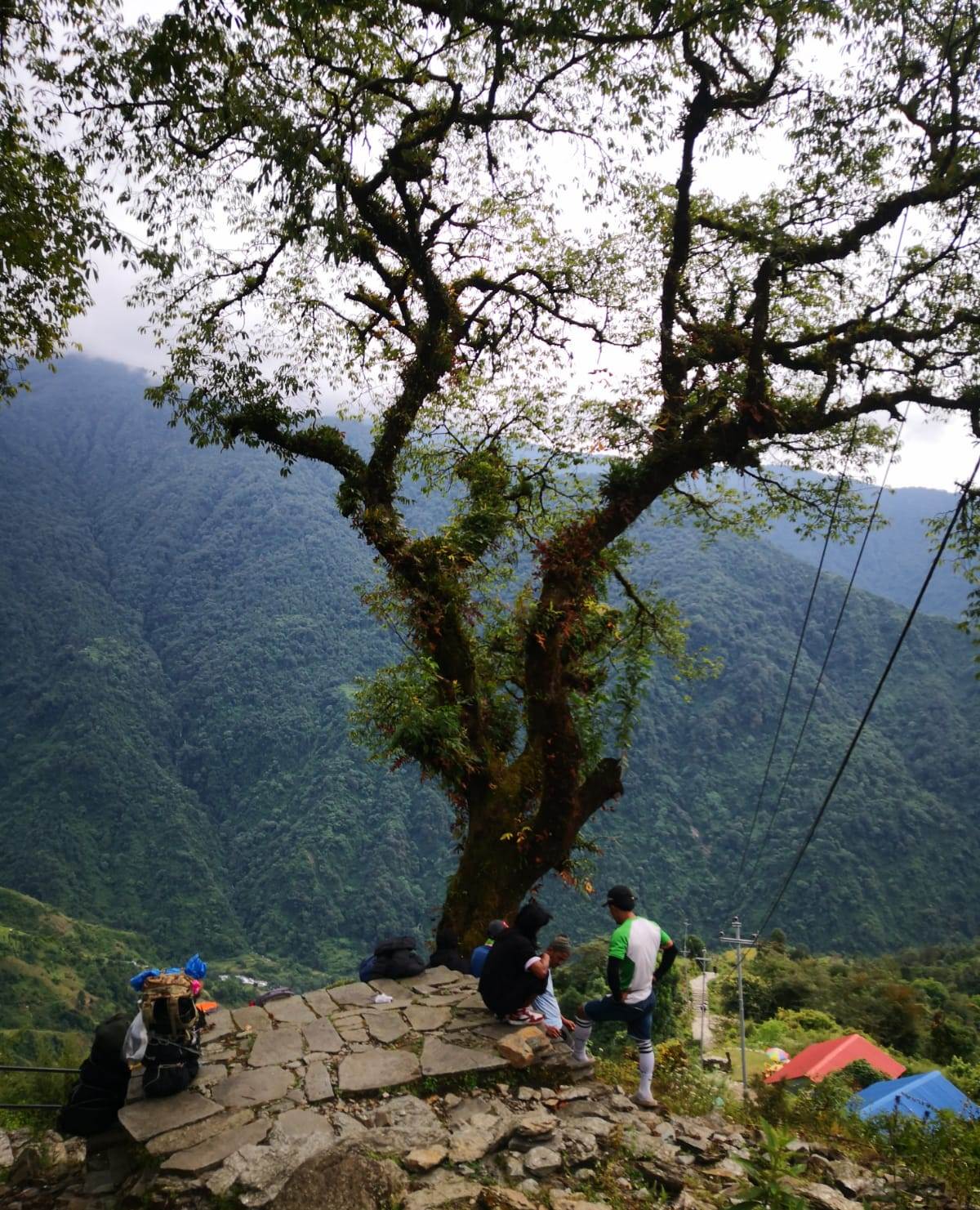
After the long day before, it was a pleasure to have a more relaxed morning.
We left Low Camp and began walking downhill towards Siding. The trail passed through green hills and forested sections, gradually bringing us back to the warmer, lower landscape.
The descent took approximately three to four hours, including our stops. After the high-altitude scenery of Mardi Himal Base Camp and High Camp, the return through the hills offered a different kind of beauty.
The Mardi Himal route is especially interesting because the landscape changes so dramatically over a relatively short distance. You begin among villages and forest, climb into the high mountain ridge, and then descend through a landscape that feels greener and more settled.
Lunch at Chiya Kaka
We stopped for lunch at Chiya Kaka, a pleasant little stopover with lovely views.
To the south, we could see the village landscape spread across the hills. Looking north, Machhapuchhre stood out with its glorious presence.
We ordered chicken curry with chapati. It was not a combination we would normally associate with a typical chicken meal, but we enjoyed it.
The stop was relaxed and welcoming, and it gave us a chance to appreciate the scenery one last time before leaving the trail.
After lunch, we walked for another 10 minutes or so to the jeep station.
Returning to Pokhara
At Siding, we completed the walking portion of our trek and continued by jeep to Pokhara.
We had begun the journey five days earlier in bright sunshine at Kande. Since then, we had walked through forests, watched the clouds gather over the mountains, experienced heavy rain on the descent, reached Mardi Himal Base Camp at 4,500 m and enjoyed spectacular views of the Annapurna range.
It was time to return to the comforts of Pokhara, with wet-weather memories, countless photographs and a renewed appreciation for the Himalayas.
Mardi Himal Trek: Route, Distance and Elevation Guide
The following figures are useful for planning and for readers who want to understand the walking demands of each day. Distances are approximate estimates, not GPS measurements from our October trek. Published route guides differ depending on the trail variation and the exact location of each lodge.
Route section | Approx. elevation | Estimated distance | Walking time |
|---|---|---|---|
Kande–Australian Camp–Pothana–Pitam Deurali | 1770–2100m | 6–8 km | 4–5 hrs |
Pitam Deurali–Forest Camp–Lo Camp | 2100–2970 m | 8–10 km | 5–6 hrs |
Lo Camp–Badal Danda–High Camp | 2970–3580 m | 5–7 km | 3–4 hrs |
High Camp–Viewpoint–Mardi Himal Base Camp–Low Camp | Up to 4500 m | About 15–18 km | 7–9 hrs |
Low Camp–Siding | Around 1700–1900 m at Siding | 7–9 km | 3–4 hrs |
Note: The daily distance ranges are planning estimates and should not be treated as surveyed measurements. The fourth day is particularly demanding because it combines the early-morning ascent with the return to High Camp and the descent to Low Camp. Walking times depend on weather, fitness, trail conditions and rest stops.
What makes the Mardi Himal Base Camp trek special?
- A remarkable change in scenery: Walk from green foothills and traditional villages into dense rhododendron forests, then emerge onto an exposed mountain ridge.
- Close-up Himalayan views: Enjoy views of Machhapuchhre, Annapurna South, Hiunchuli and other peaks from Badal Danda and High Camp.
- A rewarding high-altitude destination: Mardi Himal Base Camp at approximately 4500 m provides a memorable objective for trekkers looking for a shorter Himalayan adventure.
- A sunrise worth an early start: The pre-dawn hike to the upper viewpoint offers a chance to see the Annapurna range in the early morning light, weather permitting.
- A manageable trip from Pokhara: The trailhead is reached by road, and the trek can be completed in five trekking days by fit trekkers following a compact itinerary.
Is Mardi Himal Base Camp suitable for you?
Mardi Himal is often described as a moderate trek, but the difficulty increases considerably above High Camp. The route includes sustained uphill walking, uneven terrain, steep sections and a long day to Base Camp followed by a substantial descent.
A reasonable level of fitness, proper trekking footwear and suitable clothing are important. The trek also rises to approximately 4,500 m within a few days, so altitude-related illness is a genuine concern. Walk at a sensible pace, understand the symptoms of altitude sickness, and descend if symptoms worsen. Do not continue higher when experiencing symptoms that may indicate altitude illness.
October is generally a popular month for trekking in the Annapurna region, but mountain weather can change quickly. Our own experience of rain on both the second and fourth days is a good reminder to carry rain protection even during the autumn season.
Final thoughts: Five days well spent in the Himalayas
Our October 2026 Mardi Himal Base Camp trek was a journey of contrasts. We started in warm sunshine, walked beneath the trees, enjoyed spectacular views from Badal Danda, reached a high-altitude destination at 4,500 m, and descended through heavy rain and muddy trails.
Not every lodge was perfect, and not every sunrise view unfolded as we had hoped. But that is part of travelling in the mountains. The Himalayas are not a stage arranged for visitors; they are a living landscape, and every day brings its own conditions and surprises.
For us at Alpine Exodus, the most rewarding moments included the first wide-open mountain panorama at Badal Danda, the quiet pre-dawn trail past hundreds of sheep, the clear views of the Annapurna range, and the satisfaction of reaching Mardi Himal Base Camp.
If you are looking for a relatively short trek with forests, mountain viewpoints and a genuine high-altitude Himalayan experience, Mardi Himal Base Camp deserves a place on your Nepal itinerary.
At Alpine Exodus, we believe that good trekking is not only about reaching a destination. It is about experiencing the journey, understanding the trail and making sensible decisions along the way.
Friends in the Himalayas — Alpine Exodus.