Gai Jatra in Kathmandu: Where Remembrance Meets Laughter
Gai Jatra is one of Kathmandu Valley’s most unique festivals, blending remembrance, religion, culture, humor and community spirit. Traditionally, families honor loved ones who died during the past year through colorful processions, symbolically guiding their souls toward the afterlife. Rooted in the Malla period and associated with King Pratap Malla, the festival has evolved into a vibrant celebration where ancient traditions, costumes, music, satire and modern expressions come together.
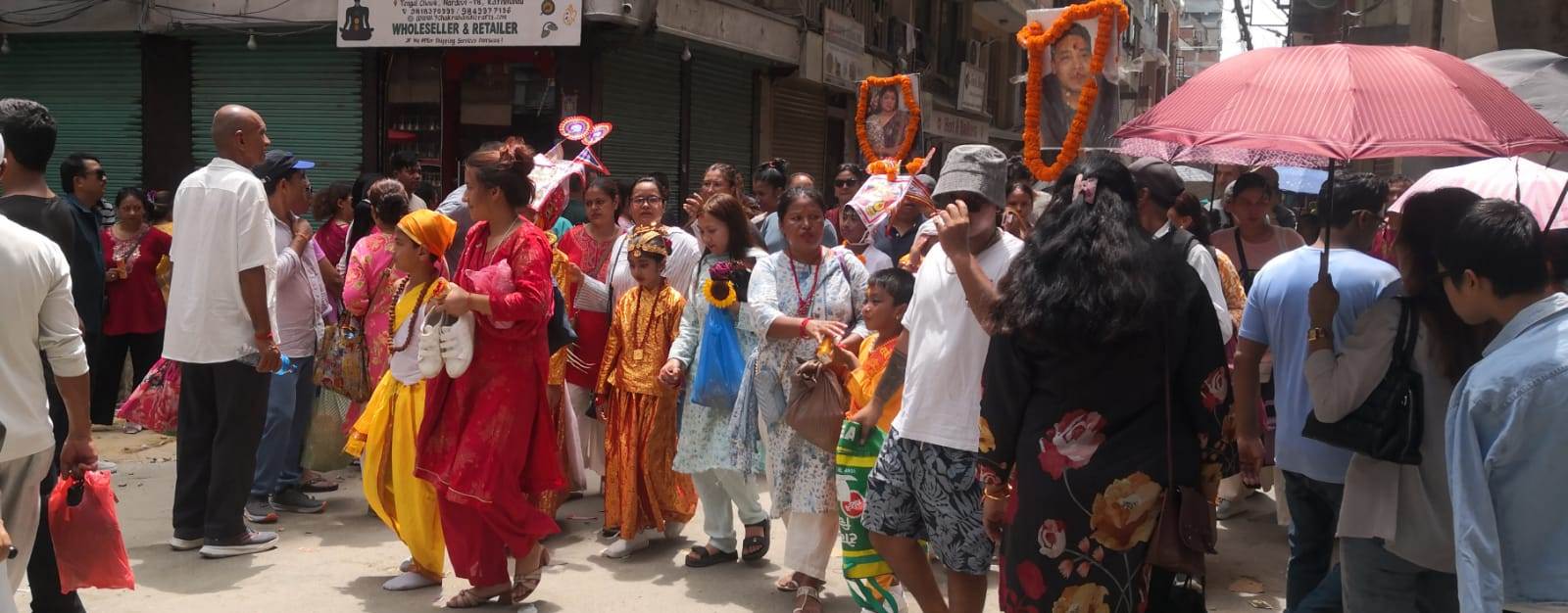
Kathmandu, August 29, 2026 -- The streets of Kathmandu are alive today with music, color, costumes, laughter and crowds as Nepal celebrates Gai Jatra, one of the country's most distinctive festivals!
Known as Sa Paru in Nepal Bhasa, Gai Jatra is especially important to the Newar community of the Kathmandu Valley. At its heart, however, it is a festival about something universal: remembering loved ones who have passed away.
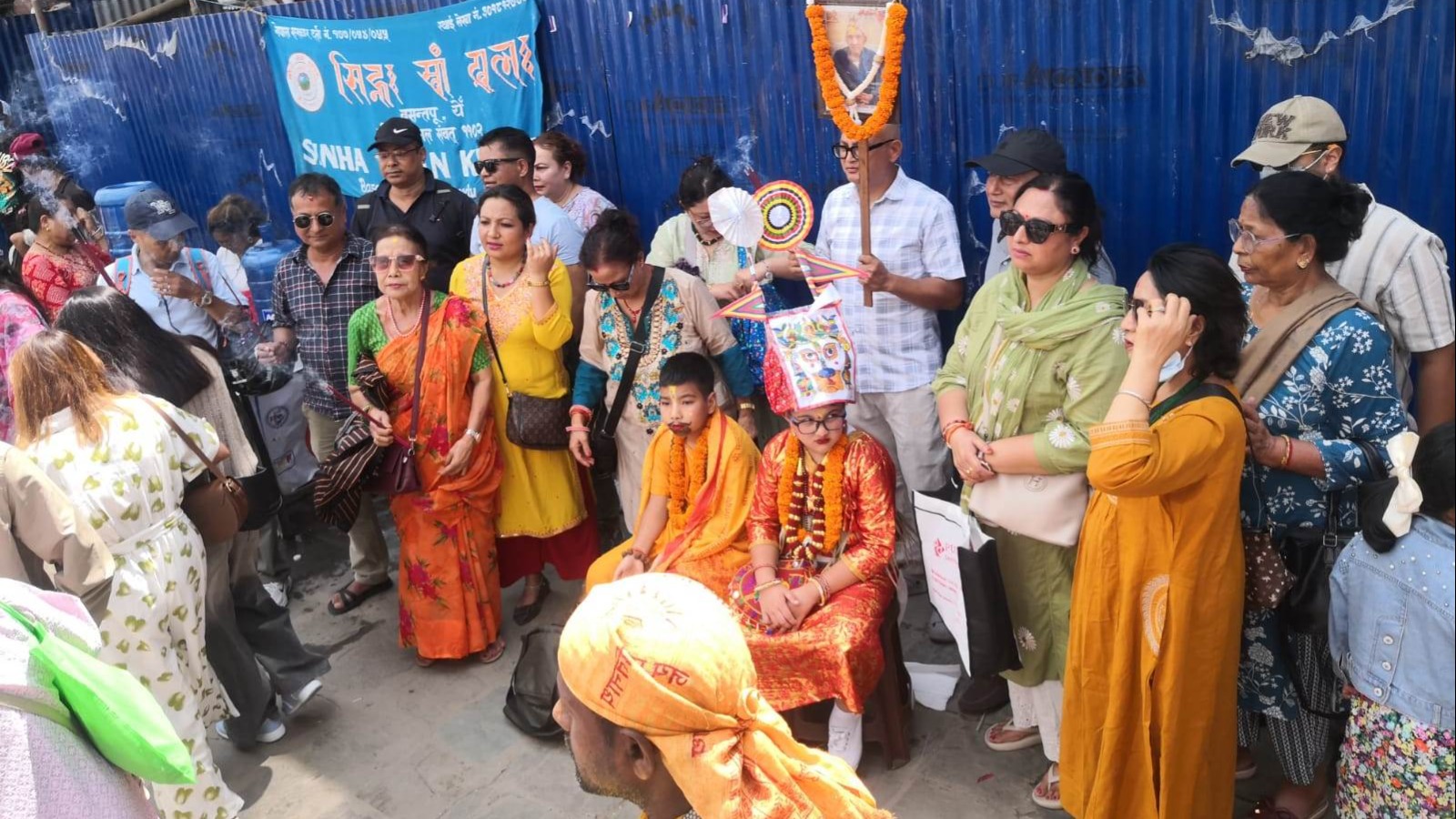
Families who have lost a member during the past year traditionally take part in a procession. A cow, or a child dressed symbolically as a cow, is led through the streets in memory of the departed. In Hindu tradition, the cow is regarded as sacred and popular belief holds that the cow helps guide the soul of the deceased on its journey to the afterlife.
|
|
|
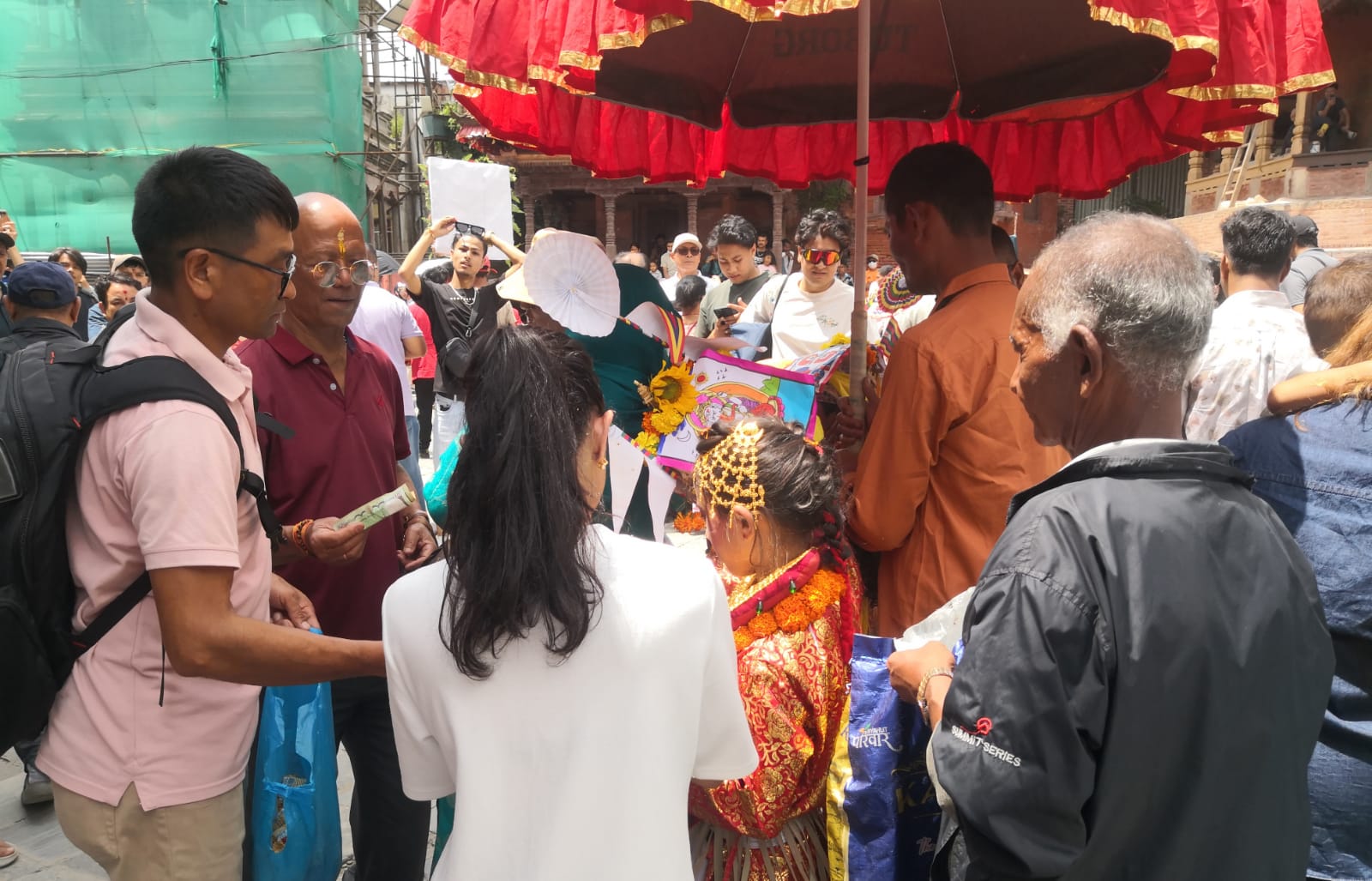
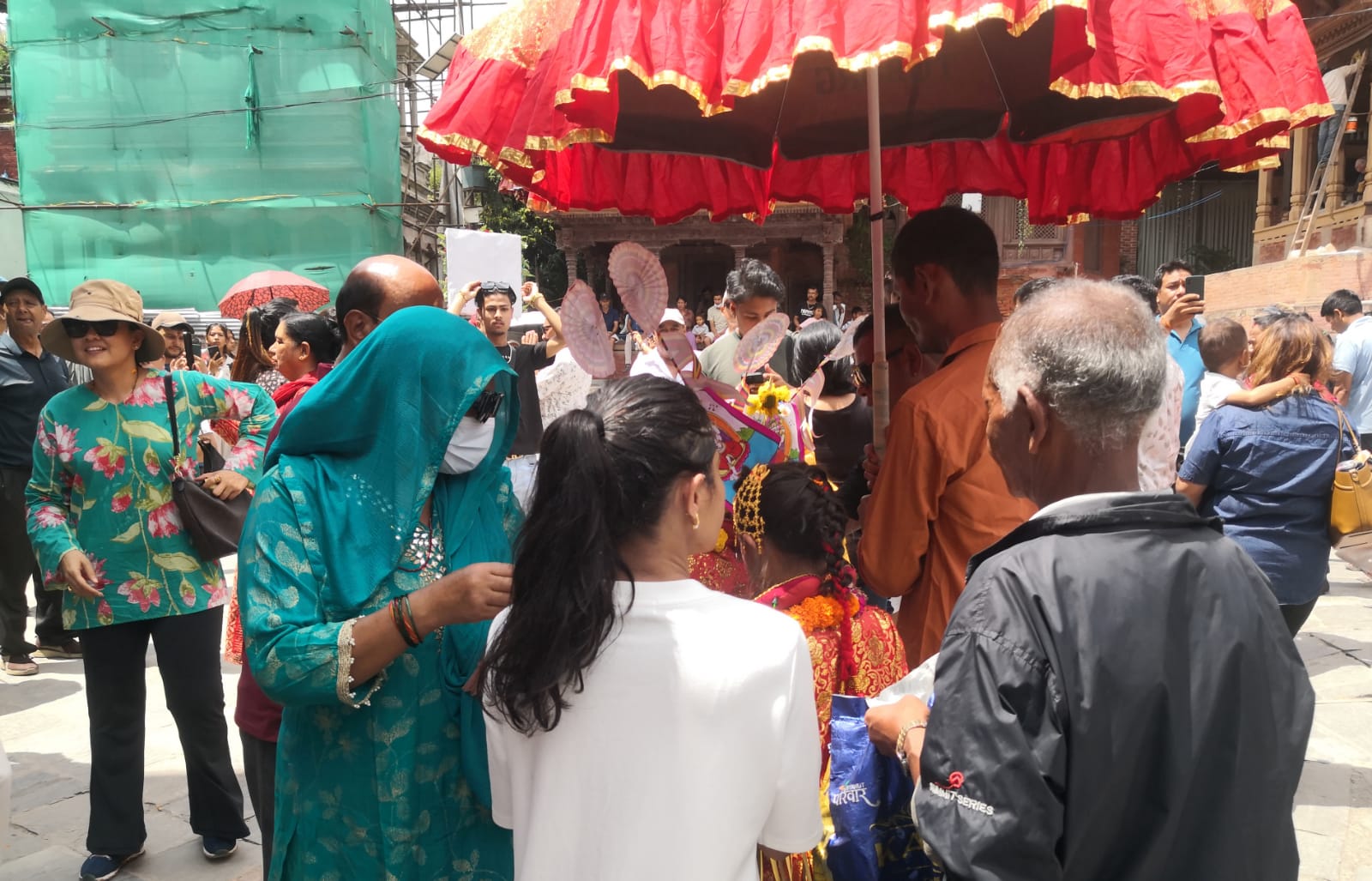
The festival is also associated with the Malla Period (1484 to 1769 AD) and the traditional story of King Pratap Malla (1641 to 1647 AD), whose queen was devastated after the death of their son. The king is said to have encouraged families who had lost loved ones to come forward in procession, helping the queen understand that she was not alone in her grief. From this tradition grew a festival where sorrow is shared publicly and gradually transformed into acceptance, togetherness and even laughter.
And that is what makes Gai Jatra so extraordinary.
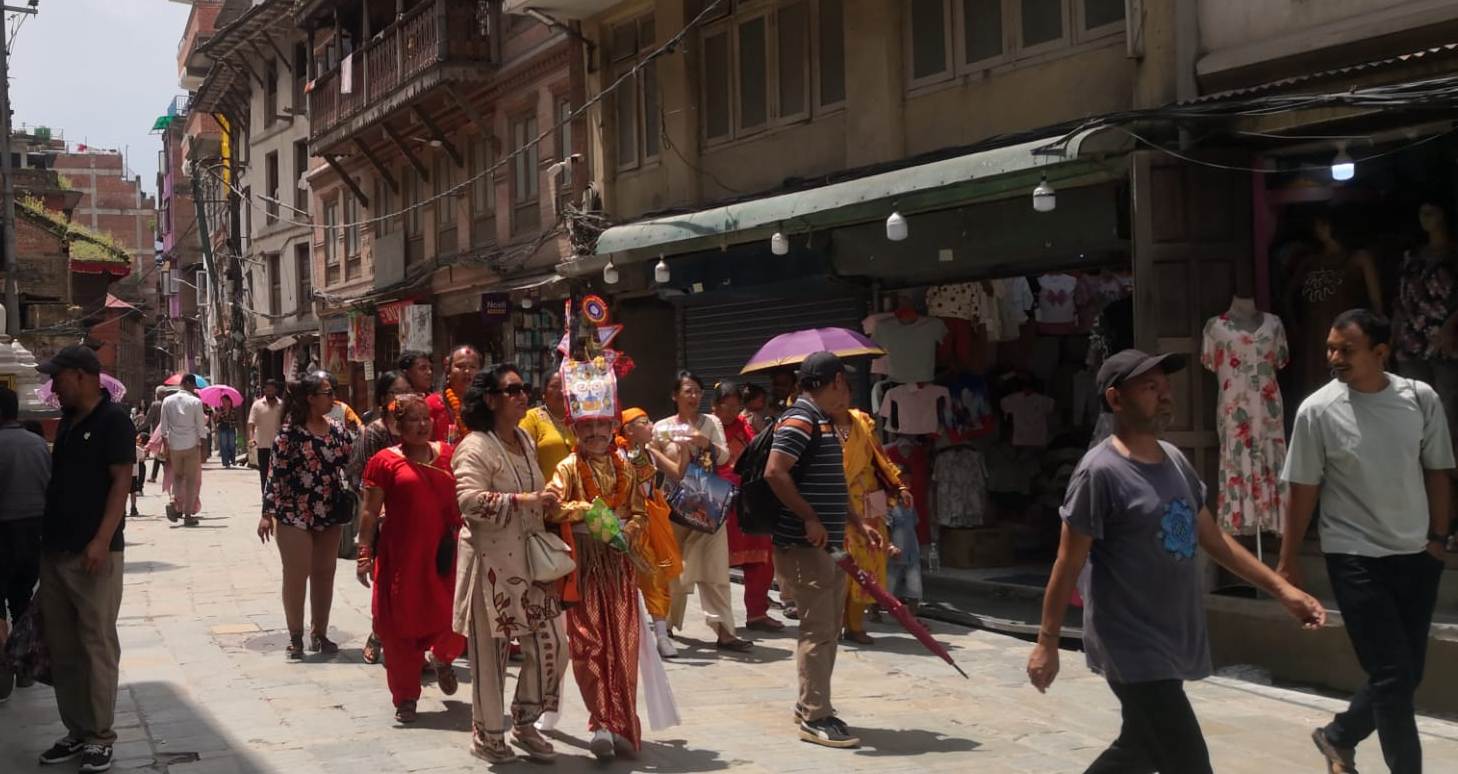
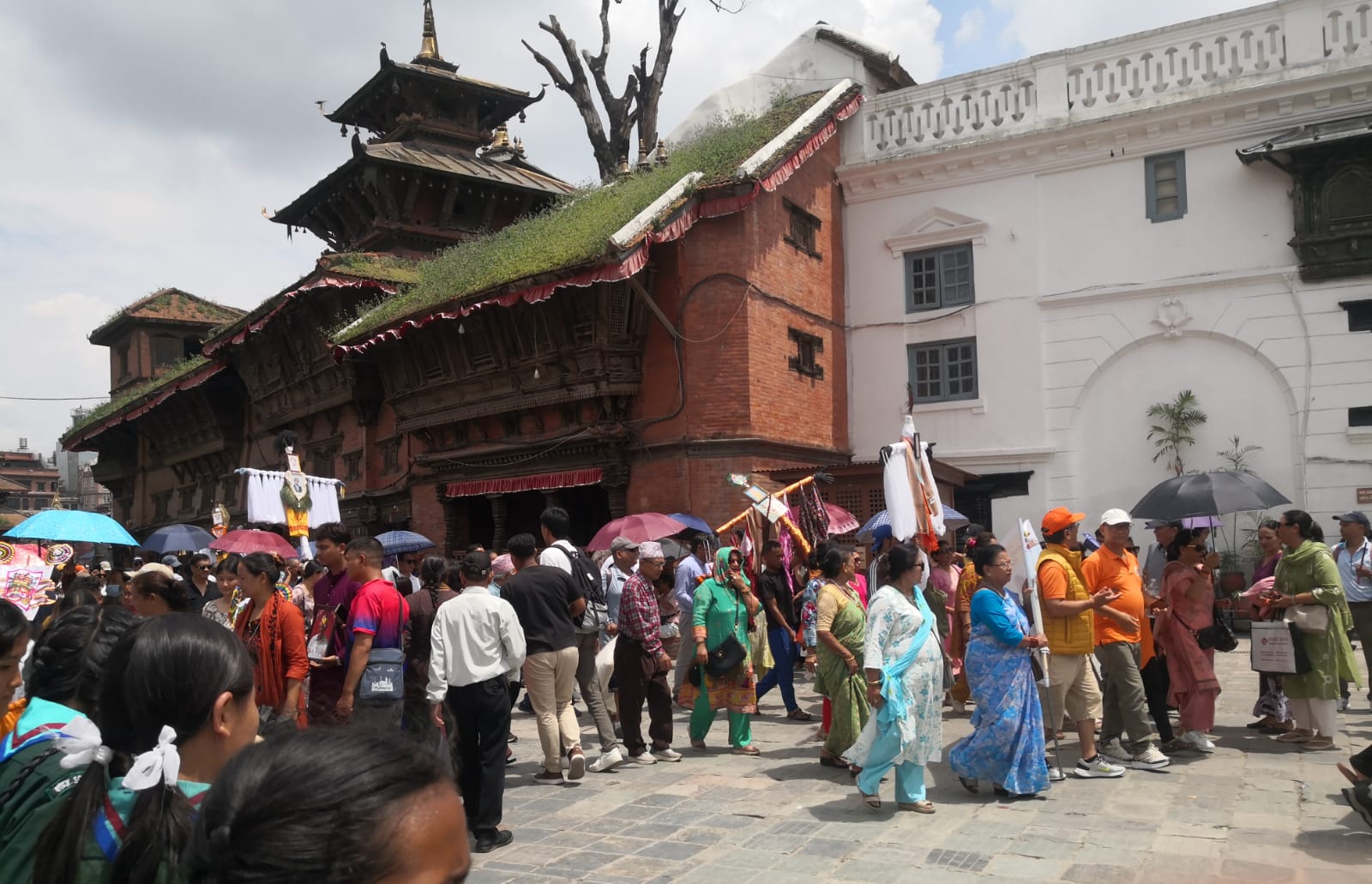
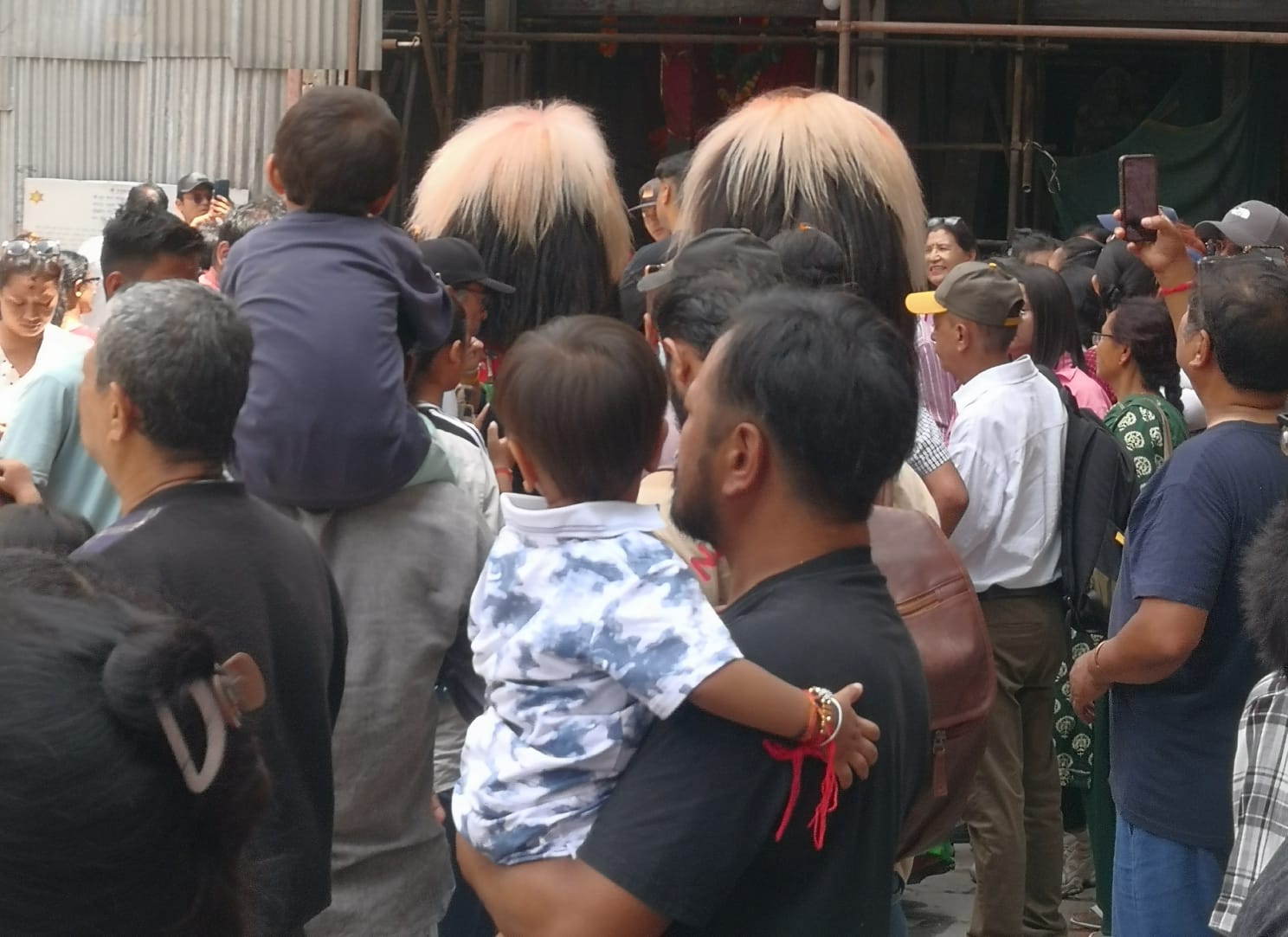
On the same streets where families solemnly remember the dead, people dress in colorful and sometimes wonderfully unusual costumes. Traditional music, dancing, processions and performances fill the historic quarters of Kathmandu. Humour and satire have also become an inseparable part of the festival, allowing people to laugh at social problems, public figures and even those in power.
|
|
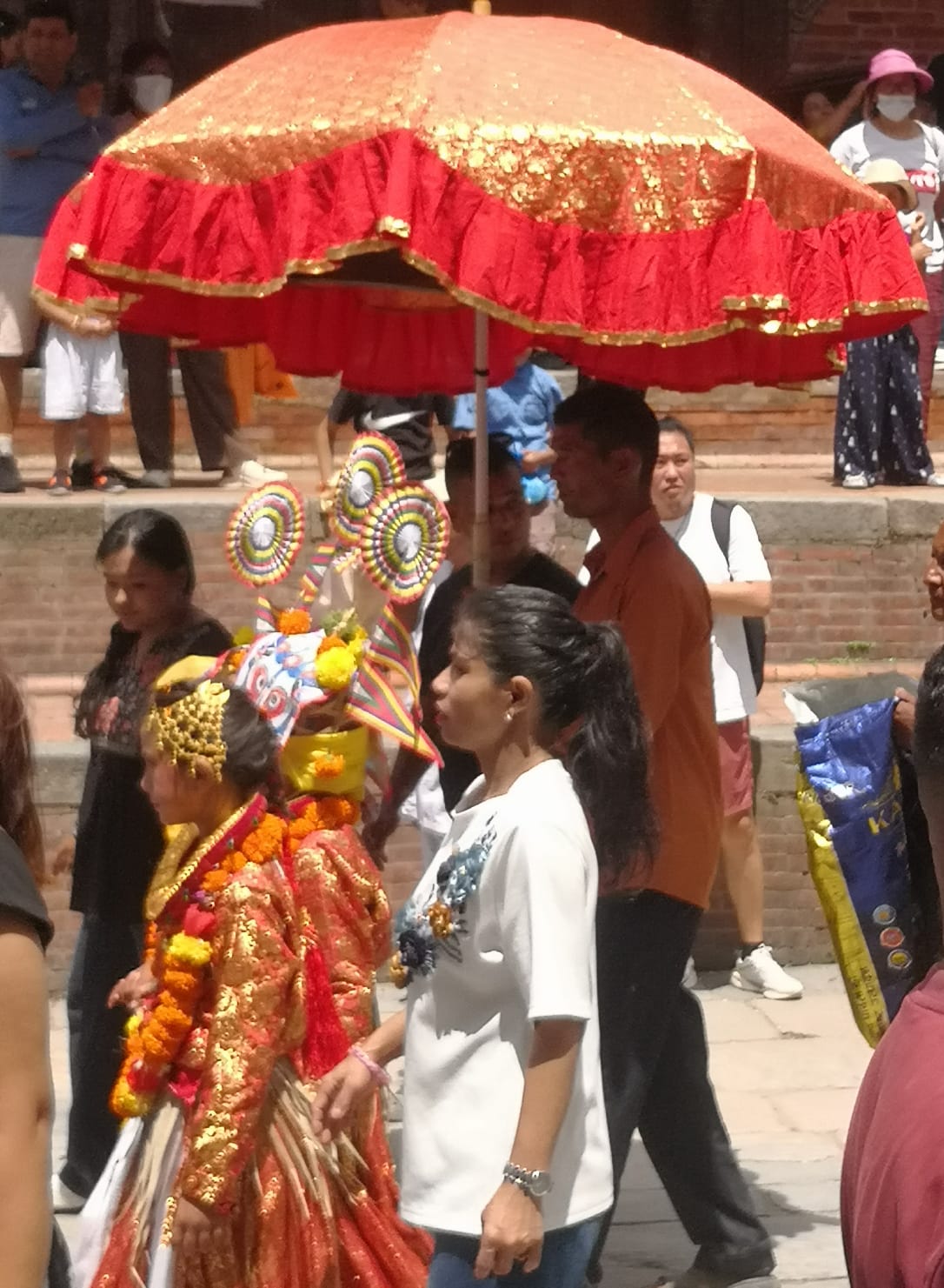
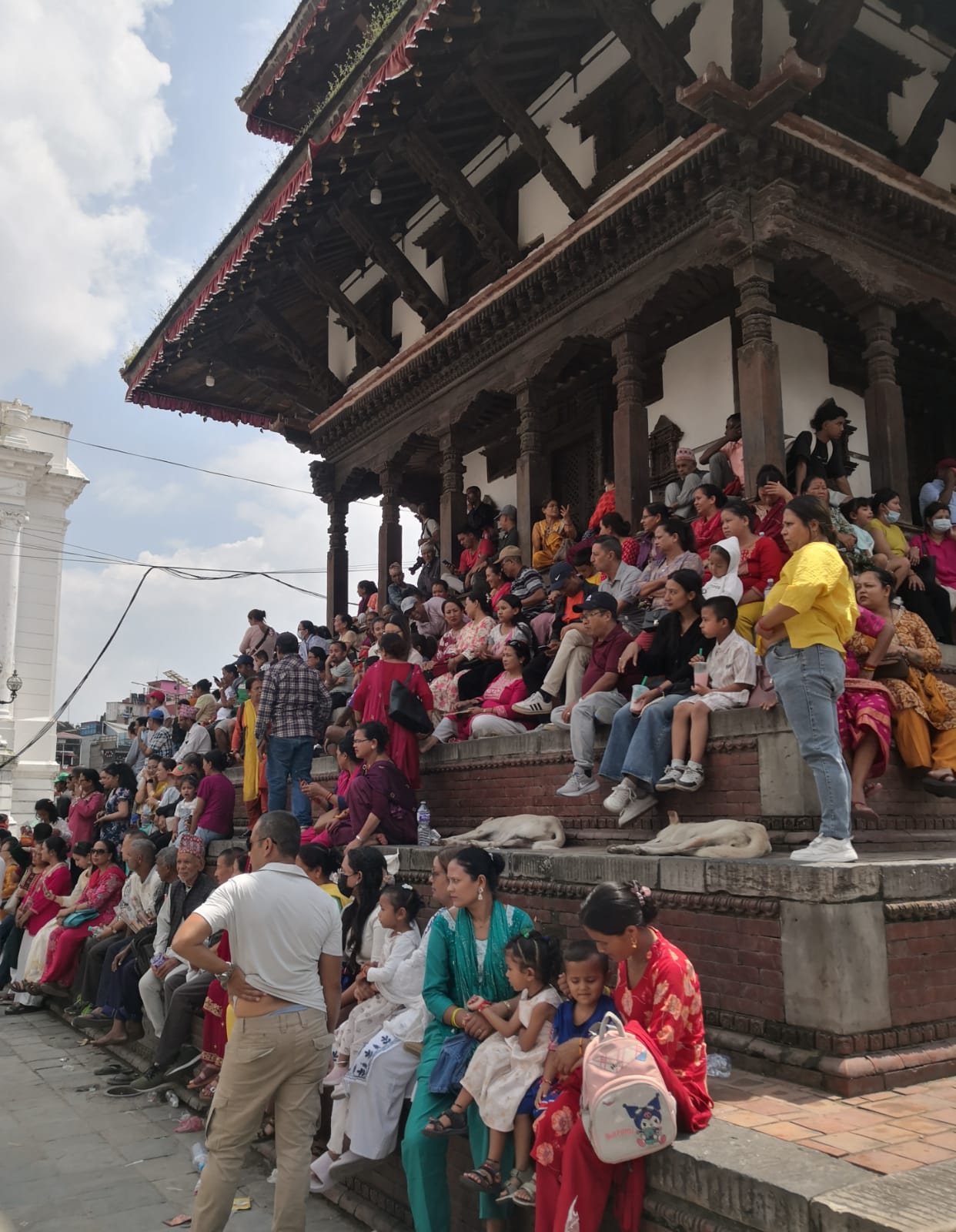
Today's Kathmandu shows how beautifully an old tradition continues to evolve. The rituals remain deeply rooted in faith and heritage, while the streets have become a lively meeting place for generations, photographers, visitors and curious onlookers. Traditional costumes appear alongside contemporary fashion, old musical traditions mix with modern entertainment and the festival is shared widely through photographs and social media.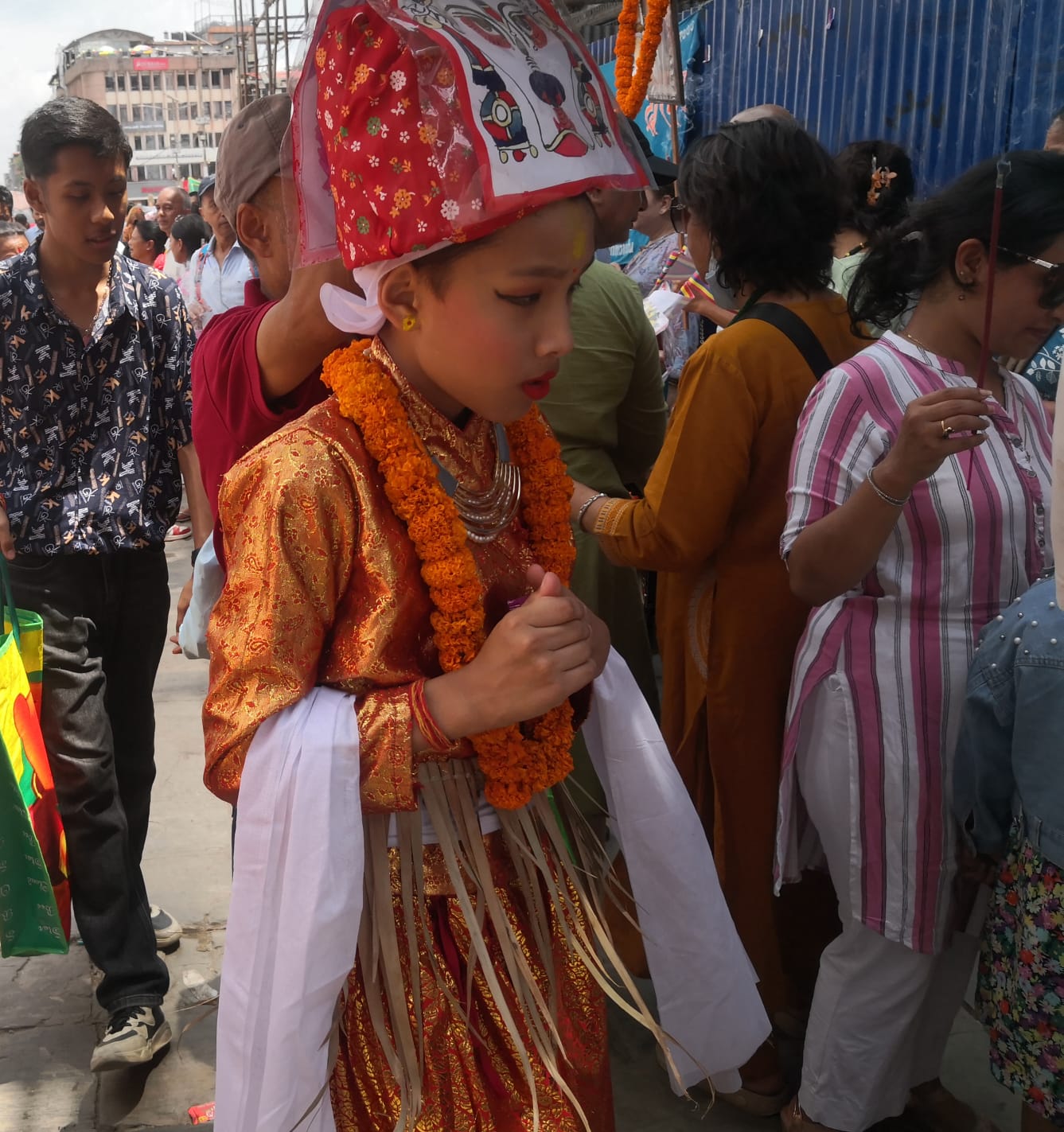
For visitors, Gai Jatra offers something far beyond a colorful street festival. It provides a glimpse into the Kathmandu Valley's living culture – a culture in which death is remembered, sorrow is shared and life is celebrated together.
Walking through Kathmandu today, one can feel that Gai Jatra is not simply a festival of cows. It is a festival of memory, faith, family, community and the courage to laugh again after loss.
These photographs from today's celebration capture only a small part of the atmosphere. The real Gai Jatra is something to experience on the streets of Kathmandu – where centuries-old traditions continue to live, breathe and change with the people who celebrate them.