
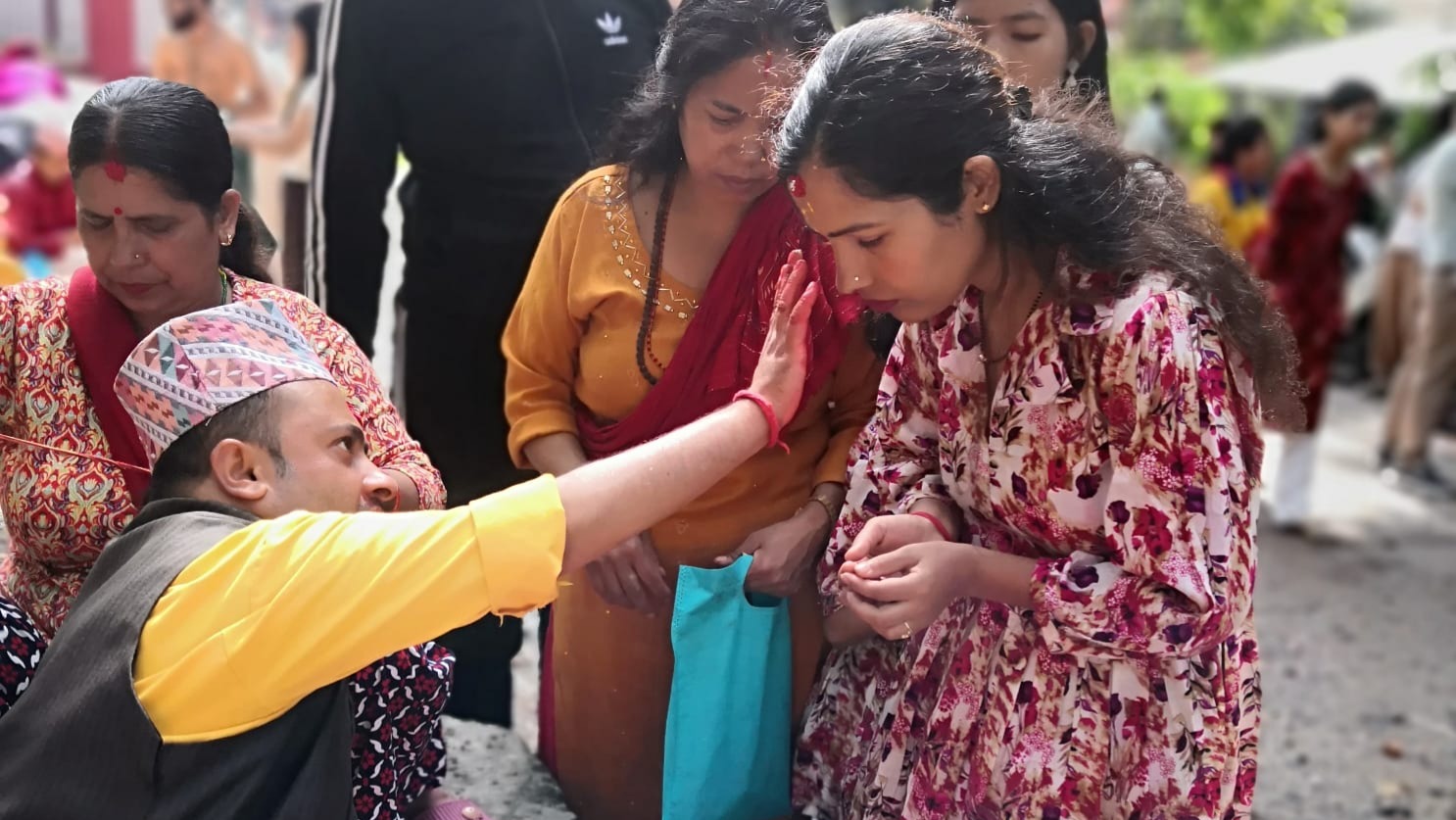
Janai Purnima in Nepal: A Sacred Celebration of Faith, Protection and Living Culture
Janai Purnima is more than a religious festival in Nepal. It is a day when faith, family, pilgrimage, tradition and community come together under the full moon. For travelers, it offers a rare opportunity to witness Nepal's living culture - not in a museum or cultural show, but in temples, streets, homes and sacred pilgrimage sites where traditions continue from generation to generation.
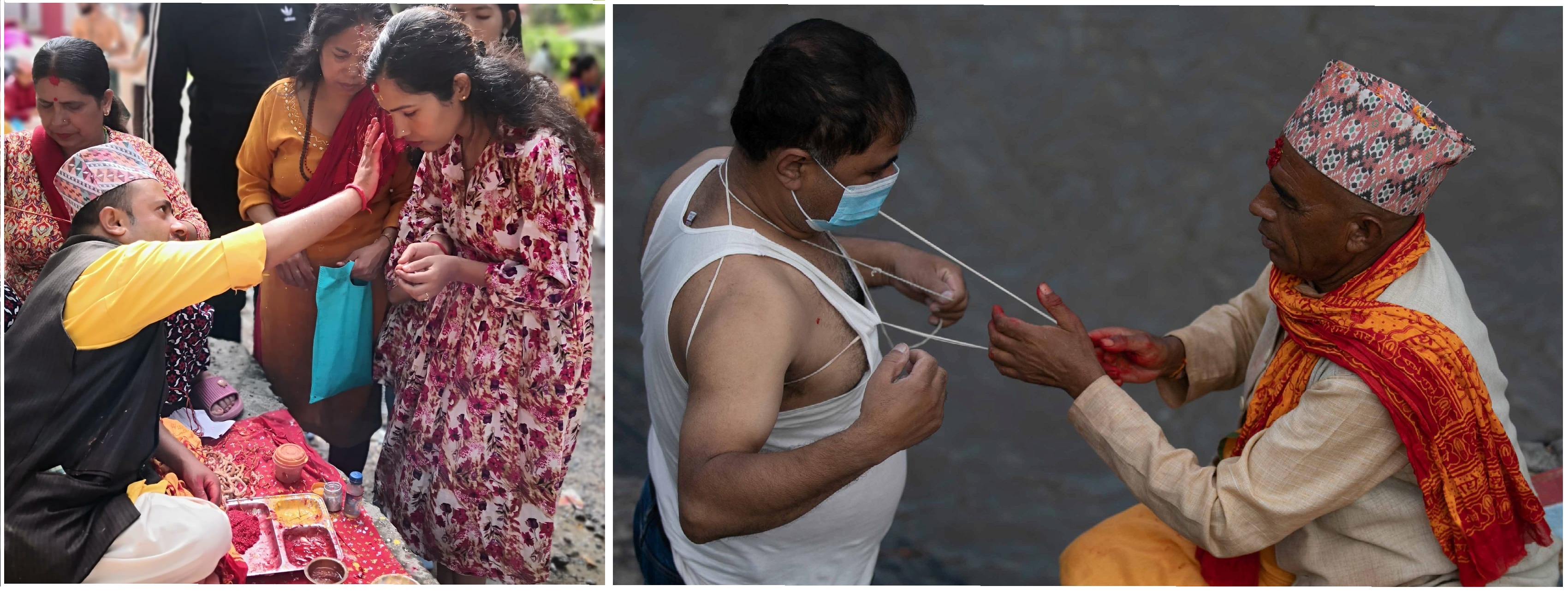 Every year, on the full moon day of Shrawan, thousands of people across Nepal gather at temples, rivers, ponds and sacred lakes to observe Janai Purnima. In 2026, the festival falls on Friday, August 28, or today when I am writing this article!
For many Nepali Hindus, it is the day to renew the sacred Janai. For others, it is the day to receive the protective Raksha Bandhan thread. In the Newar community, it is celebrated as Gunhu Punhi or Kwati Purnima, while in many parts of the Terai it is closely associated with Rakhi, the beautiful brother-sister tradition.
Together, these traditions make Janai Purnima one of Nepal's most fascinating cultural celebrations.
What Is Janai Purnima?
The name itself tells us something about the festival.
Janai refers to the sacred thread traditionally worn across the body (upper left shoulder to lower right shoulder or the upper waste part; the way is called "shabhya") by Hindu men who have undergone the sacred-thread initiation (Brata-bandha), while Purnima means the full moonday.
On Janai Purnima, the old sacred thread (janai) is ceremonially replaced with a new one. Traditionally, the wearer takes a bath, performs religious rituals and receives a freshly purified Janai, often with Vedic mantras recited by a priest.
The festival is also known as Rishi Tarpani, a day associated with honoring sages and expressing gratitude toward the spiritual teachers and ancient seers of Hindu tradition. The renewal of the Janai therefore represents more than simply changing a thread. It is traditionally understood as a renewal of spiritual commitment, purity, discipline and responsibility.
The festival is particularly significant among Brahmin and Chhetri communities, although sacred-thread traditions are also found among other communities in Nepal.
Why Do Hindus Celebrate Janai Purnima?
The traditional belief behind Janai Purnima is closely connected with purification, protection and renewal.
The sacred thread is regarded as a reminder of one's religious duties and responsibilities. Changing it once a year symbolically represents leaving behind the old and beginning anew with renewed spiritual awareness.
Another important part of the celebration is the Raksha Bandhan or Doro. 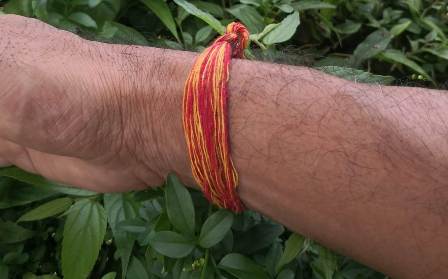
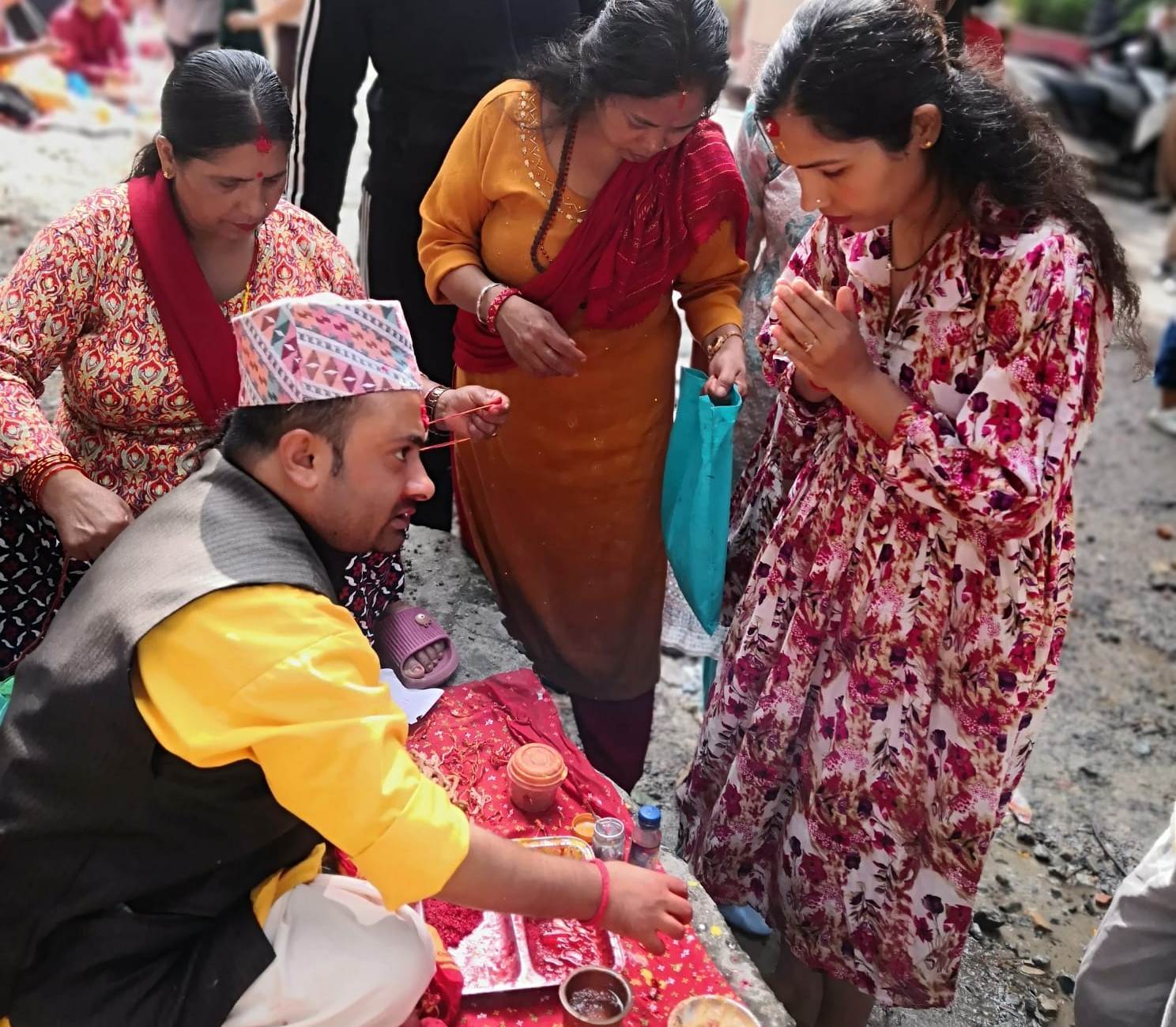
A priest chants sacred mantras while purifying a colored thread, which is then tied around the (right) wrist. Traditionally, the thread is believed to provide protection from fear, illness, misfortune and negative influences.
For the people taking part, therefore, the simple act of tying a thread carries a much deeper meaning: a prayer for health, safety, prosperity and a good year ahead.
Janai, Raksha Bandhan and Rakhi – What Is the Difference?
Visitors can easily become confused because several different traditions take place on the same day.
They are connected, but they are not exactly the same thing.
The Janai
The Janai is the sacred thread worn across the body by initiated Hindu men. On Janai Purnima, the old thread is replaced with a new one following ritual purification.
The Raksha Bandhan or Doro
The Raksha Bandhan thread, often called Doro in Nepal, is a protective thread tied around the wrist. Priests traditionally sanctify the thread through prayers and mantras before tying it.
The word Raksha means protection, while Bandhan means a bond or tying.
The Rakhi
In many parts of Nepal, particularly the Terai, sisters celebrate Rakhi by tying a decorative thread around their brothers' wrists and wishing them long life, happiness and prosperity.
The brother traditionally responds with affection, blessings and a gift.
Thus, one full-moon festival can bring together spiritual renewal, divine protection and family love.
A Festival of Family, Faith and Community
Perhaps one of the most beautiful aspects of Janai Purnima is that it is not confined to temples.
It enters everyday Nepali life. 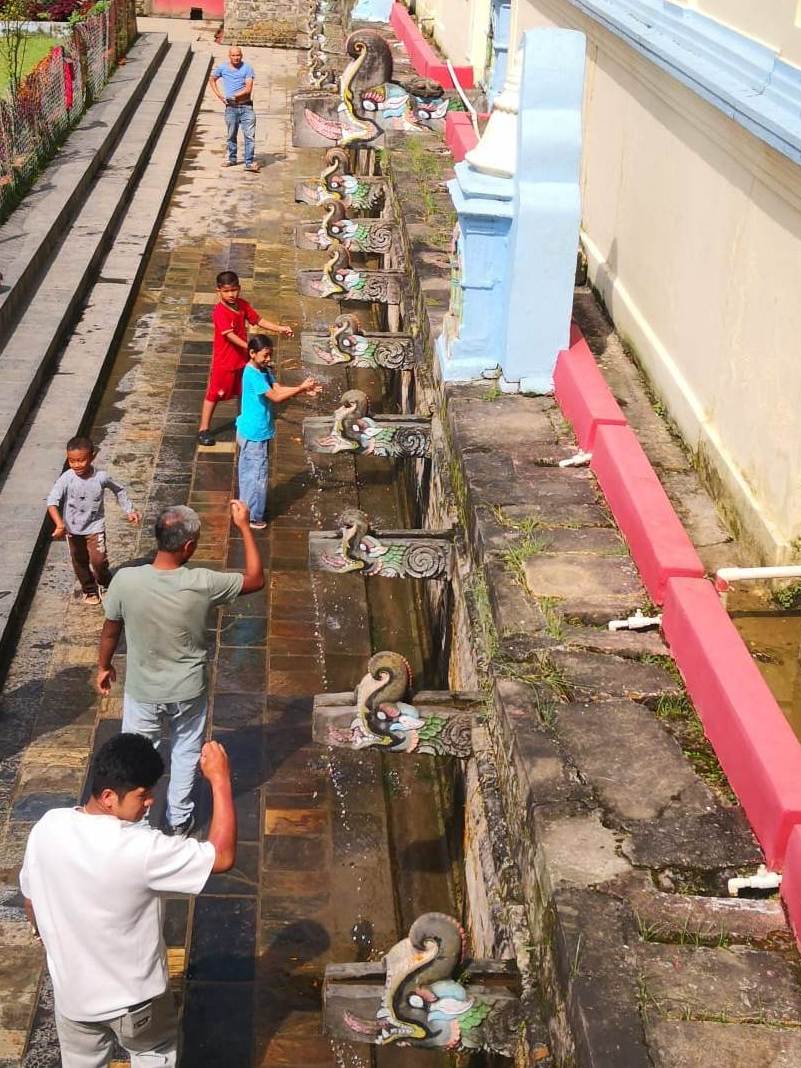
Families gather together. People visit temples. Priests sit at religious sites tying sacred threads. Children receive blessings. Brothers and sisters celebrate their relationship. Parents and grandparents pass traditions to younger generations.
For many Nepali people, these rituals are not simply something they watch - they are something they live.
This is one reason why Janai Purnima remains culturally important even as Nepal rapidly modernizes.
Janai Purnima Across Nepal
Nepal's cultural diversity becomes especially visible during Janai Purnima because different communities celebrate the same full moon in their own distinctive ways.
Among the Newar community, the festival is known as Gunhu Punhi or Kwati Purnima. One of its most famous traditions is eating Kwati, a nutritious soup traditionally prepared from a mixture of beans and pulses.
In the Terai, the festival is strongly associated with Rakhi, when sisters tie colorful threads around their brothers' wrists.
Across the hills and Kathmandu Valley, people visit temples, holy rivers and ponds for ritual bathing and worship.
This diversity is what makes Janai Purnima particularly interesting to visitors. There is no single way to experience it.
Gosaikunda: Janai Purnima at a Sacred Himalayan Lake
For pilgrims, one of the most extraordinary destinations associated with Janai Purnima is Gosaikunda in the Langtang region.
High in the Himalayas, the sacred alpine lake becomes the destination of a major pilgrimage during Janai Purnima. Devotees travel from different parts of Nepal, often undertaking a challenging journey on foot, to reach the lake, take a holy bath and offer prayers to Lord Shiva.
The combination of the Himalayan landscape, thousands of pilgrims, religious ceremonies and the spiritual atmosphere makes Gosaikunda an unforgettable expression of Nepal's living religious culture.
Other important pilgrimage and religious centers include Pashupatinath in Kathmandu and Kumbheshwar in Lalitpur, where devotees gather for worship and ritual bathing.
For an international traveler, experiencing Janai Purnima at one of these places is not simply sightseeing. It is an opportunity to witness a centuries-old tradition taking place in its natural cultural setting.
Why Are Western Travelers Becoming Interested?
Nepal has always attracted travelers for its mountains, trekking routes, temples and extraordinary landscapes.
But increasingly, travelers are looking for something beyond the conventional tourist experience.
They want to understand how people live, what they believe, what they celebrate and what gives a community its identity.
This is where festivals such as Janai Purnima become especially attractive.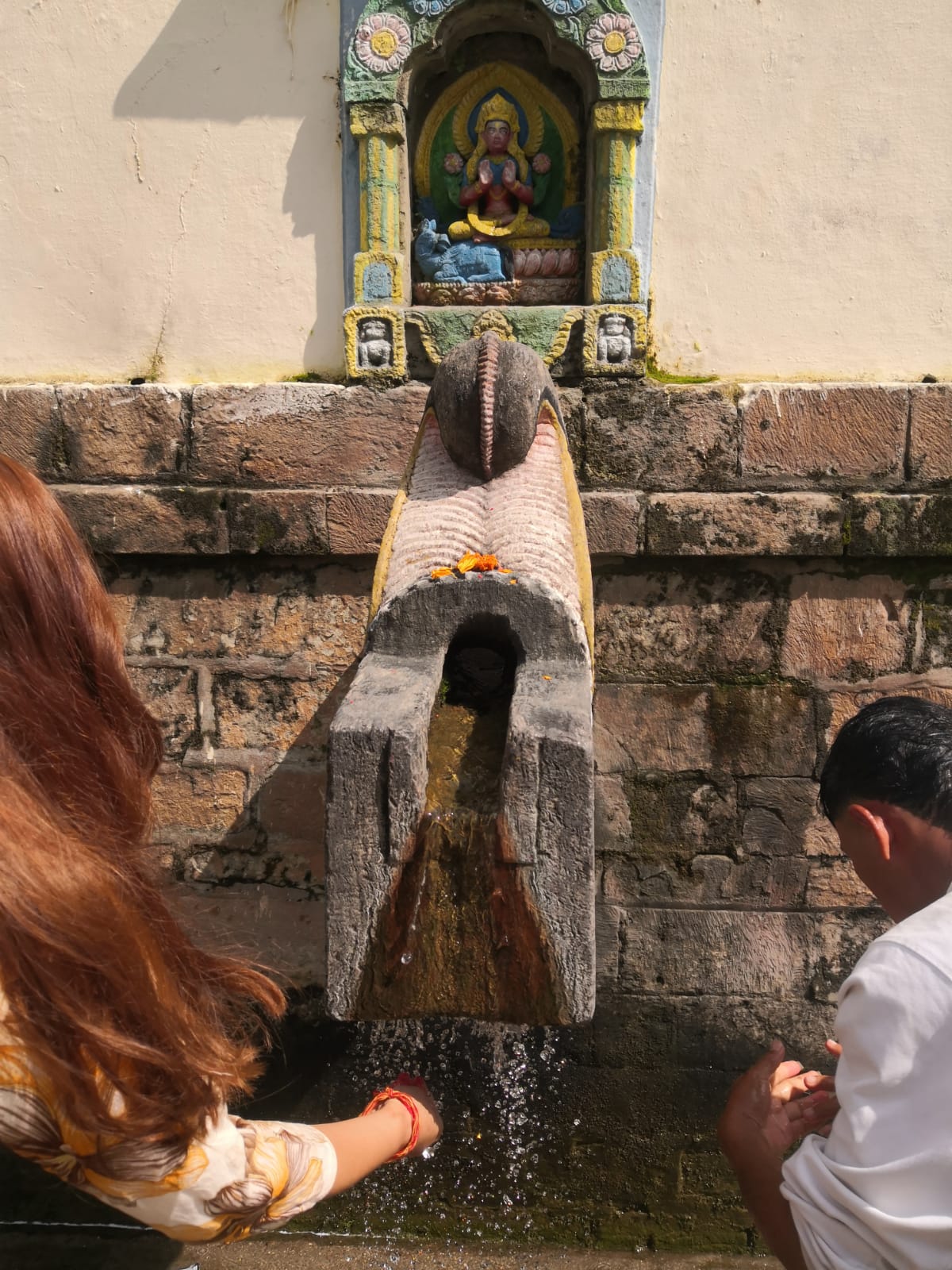
A foreign visitor may initially come to Nepal for Everest, Annapurna or the Himalayas. But while travelling through the country, many discover that Nepal's greatest attraction is not only its mountains - it is the culture that exists among them.
Janai Purnima offers exactly this kind of experience.
A traveler can walk through the streets of Kathmandu and see priests tying sacred threads, observe families visiting temples, taste traditional Kwati, witness people making offerings and feel the excitement surrounding a major religious day.
Increasingly, international visitors are not satisfied with merely photographing these traditions from a distance. Many want to participate respectfully - to receive a sacred thread, taste traditional food, join a local family celebration when invited or simply stand among the community and experience the atmosphere.
From Observation to Participation
There is an interesting cultural change taking place in Nepal's tourism landscape.
In the past, international visitors often remained observers of religious festivals. Today, many travelers are becoming more interested in participating in cultural experiences, provided they can do so respectfully.
Receiving a Doro from a priest, for example, can be a small but memorable experience for a foreign traveler.
It is not about adopting someone else's religion.
It is about understanding the meaning of a tradition and accepting the goodwill behind a simple gesture of protection and blessing.
Likewise, tasting Kwati, visiting a temple during the festival, walking through a neighborhood filled with celebrations or accompanying a local friend to a religious ceremony can create a much deeper connection with Nepal.
Over time, such experiences can even become part of a traveler's personal connection with the country.
That is the beauty of cultural travel: you arrive as a visitor, but leave with a little piece of the culture in your heart!
A Living Festival, Not a Tourist Performance
Janai Purnima is a genuine religious and cultural festival. It is not staged for show.
That is precisely what makes it special.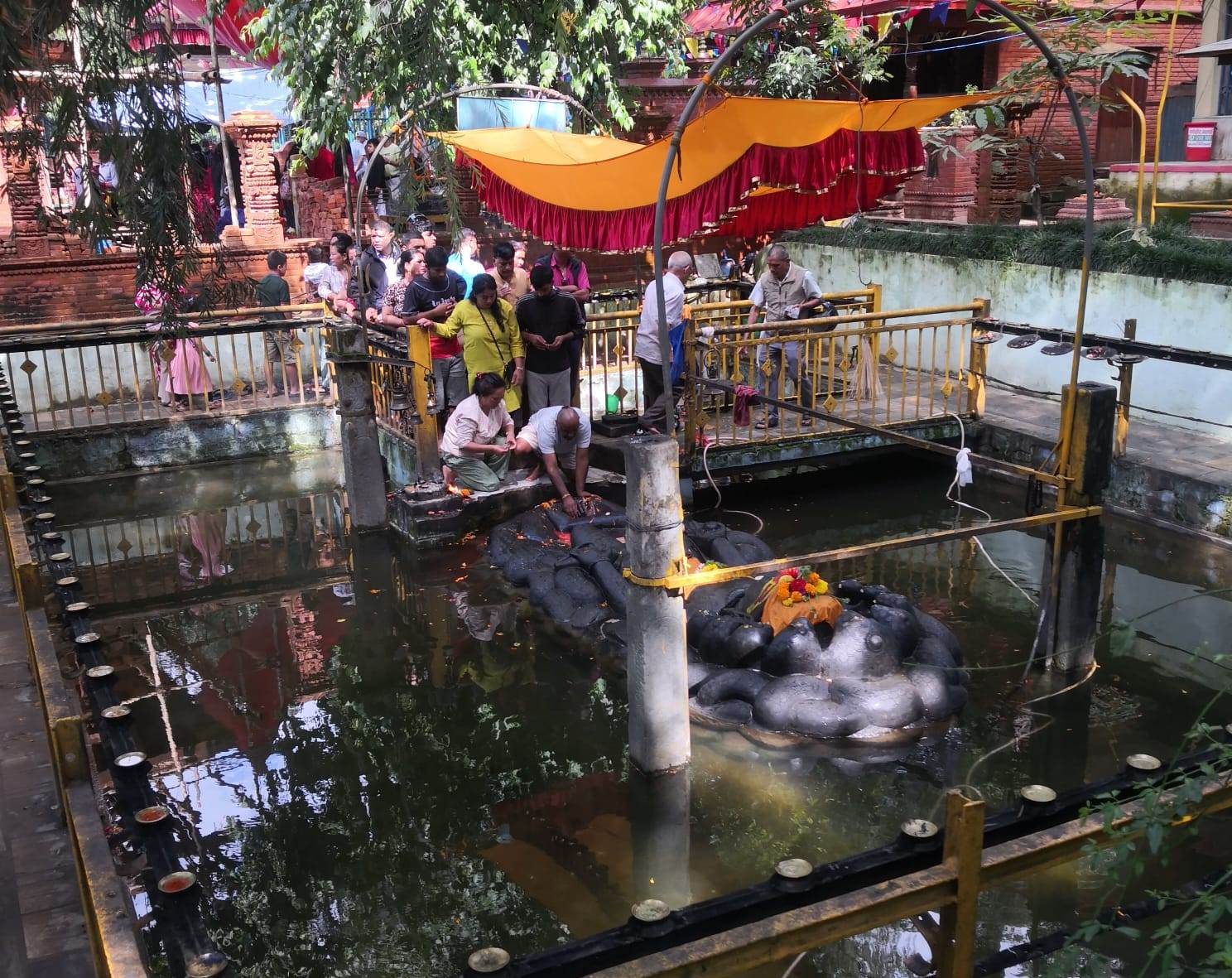
Visitors should approach temples, ceremonies, priests and pilgrims with sensitivity. Photography may be welcomed most of the places but asking before or taking permission makes you humble. Respect is earned following local guidance.
Why Should You Plan Your Nepal Trip Around Janai Purnima?
If you are planning to visit Nepal and want to experience more than trekking and sightseeing, consider timing your journey around a major Nepali festival.
Janai Purnima can add an entirely different dimension to your Nepal experience.
Imagine beginning your morning in Kathmandu with the sound of temple bells, watching devotees gather for prayers, seeing priests prepare sacred threads, walking through streets filled with families celebrating together and tasting a bowl of traditional Kwati!
Or, for those seeking a deeper pilgrimage experience, imagine trekking through the Himalayan landscape toward sacred Gosaikunda during one of the most important pilgrimage periods of the year!
These are experiences that cannot be recreated in a cultural show.
They happen only when the calendar, the community and the traveler come together.
Experience Janai Purnima with Alpine Exodus
At Alpine Exodus, we believe that travelling through Nepal should be about more than reaching a destination.
It should be about understanding the country.
Our Nepal journeys can be planned to coincide with important festivals and cultural celebrations, allowing travelers to experience Nepal at a time when its traditions are most vibrant.
|
|
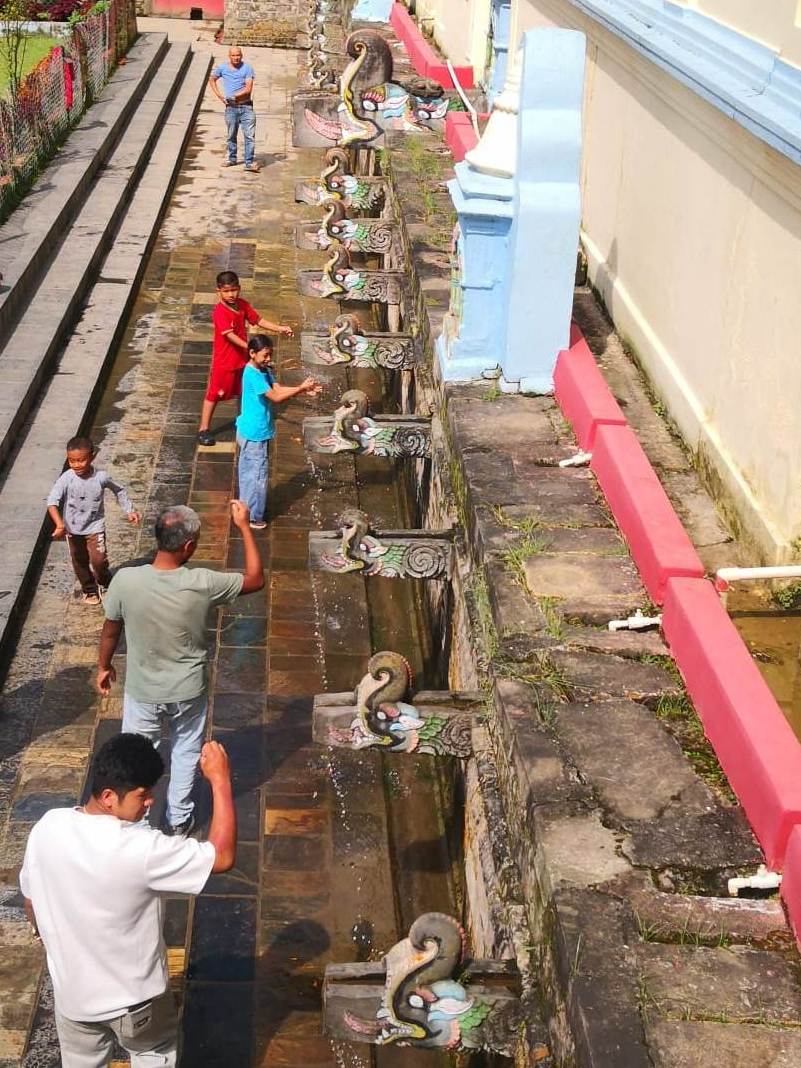
Whether you are interested in Kathmandu's temples and heritage, a cultural journey through the Kathmandu Valley, a pilgrimage to Gosaikunda, or a longer Nepal trekking adventure, Janai Purnima can become a memorable part of your journey.
If you are planning to visit Nepal in July or August, ask us about the possibility of arranging your itinerary around Janai Purnima.
Come to Nepal not only to see the Himalayas.
Come to experience the people, traditions and living culture that make the Himalayas meaningful.
Plan Your Nepal Journey Around Janai Purnima
Let the full moon lead you into a different side of Nepal.
Contact Alpine Exodus Pvt. Ltd. in Kathmandu to plan your Nepal holiday, cultural tour, pilgrimage or trekking adventure around Janai Purnima and other major festivals of Nepal.
Once Nepal is not enough!